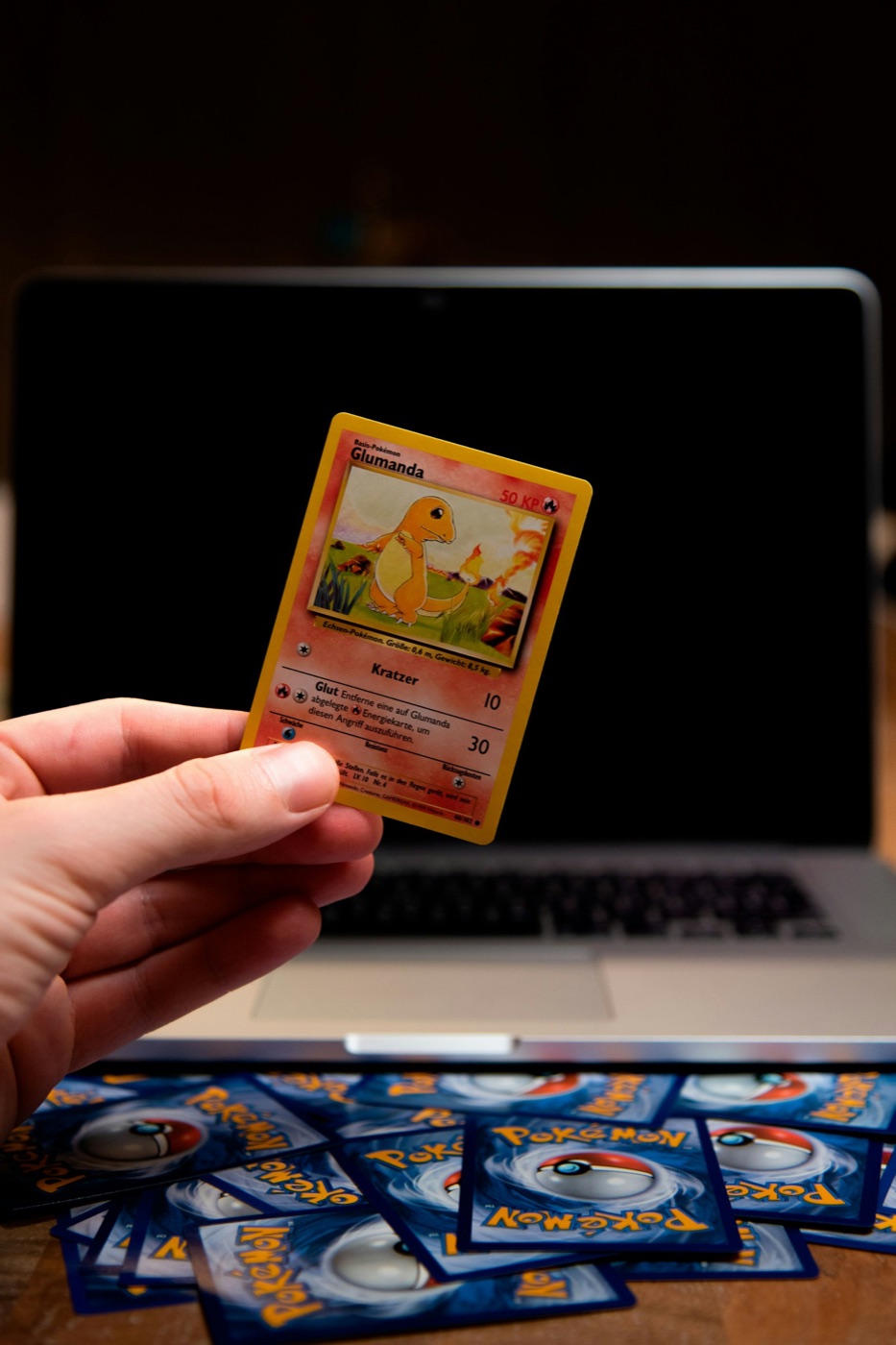
Purchase tracking is more than a receipt folder
Most Pokemon card collectors know roughly what they paid for a memorable card. The problem starts after months of singles, sealed product, small lots, shipping charges, trade-ins, and grading fees. Without a clean record, the collection starts to feel valuable while the real cost basis becomes fuzzy.
Purchase tracking gives you a calmer answer to a simple question: what did this collection actually cost?
Track the exact card or product first
Do not start with price alone. Start with identity. A useful purchase record should connect the payment to the exact item:
- card name
- set and collector number
- language
- raw, graded, or sealed format
- condition or grade at purchase
- quantity
- seller or marketplace
- purchase date
If you bought a lot, split the important cards out separately. The rest can stay as bulk or lot cost, but the cards that may be sold, graded, or traded later need their own identity.
For raw singles, use the Pokemon card scanner or Pokemon card database guide to avoid logging the wrong printing.
Include fees and shipping
Collectors often remember the hammer price and forget the total paid. Shipping, marketplace fees, taxes, import charges, and grading intake costs all affect the real cost basis. If you only track the visible sale price, your future profit math will look better than it really is.
A simple purchase record can use these fields:
- item price
- shipping
- tax or import cost
- grading or authentication fee, if relevant
- total landed cost
The total landed cost is the number that matters when you later decide whether to sell, trade, or hold.
Separate collection value from purchase cost
Purchase cost and current value are different numbers. A card can be a good collection piece even if it is down from what you paid. A card can also show a gain on paper while fees and shipping would erase most of the margin.
Use your purchase record as the baseline, then compare current value with a Pokemon card price checker. This keeps the workflow honest: what you paid, what it appears to be worth now, and what action that difference supports.
Add notes while the context is fresh
The best purchase notes are short but specific. Write down why you bought the card, what flaws you noticed, and what your next action might be. Examples:
- bought for master set
- duplicate for trade binder
- grading candidate if surface checks clean
- lot had two strong cards and the rest bulk
- overpaid slightly to finish the set
These notes prevent future-you from redoing the same evaluation.
Track lots without overcomplicating them
Large lots do not need perfect accounting for every common card. A practical approach is to assign cost to the items that matter and keep the remaining balance as bulk. For example, if you paid $120 for a binder and two cards are clearly worth tracking, record those two separately and leave the rest as a lot line.
If you need a deeper workflow, pair this with how to price a Pokemon card lot and what to do with bulk Pokemon cards.
Review purchases monthly
A monthly review catches problems early. Look for cards with missing condition notes, sealed products without storage location, and purchases that never made it into your collection tracker. This is also the right moment to decide whether a card belongs in a watchlist, trade binder, grading pile, or long-term hold.
The simple rule
To track Pokemon card purchases well, record exact identity, total landed cost, condition context, source, and next action while the purchase is still fresh. A good record makes your collection value easier to trust because it connects what you own to what you actually paid.