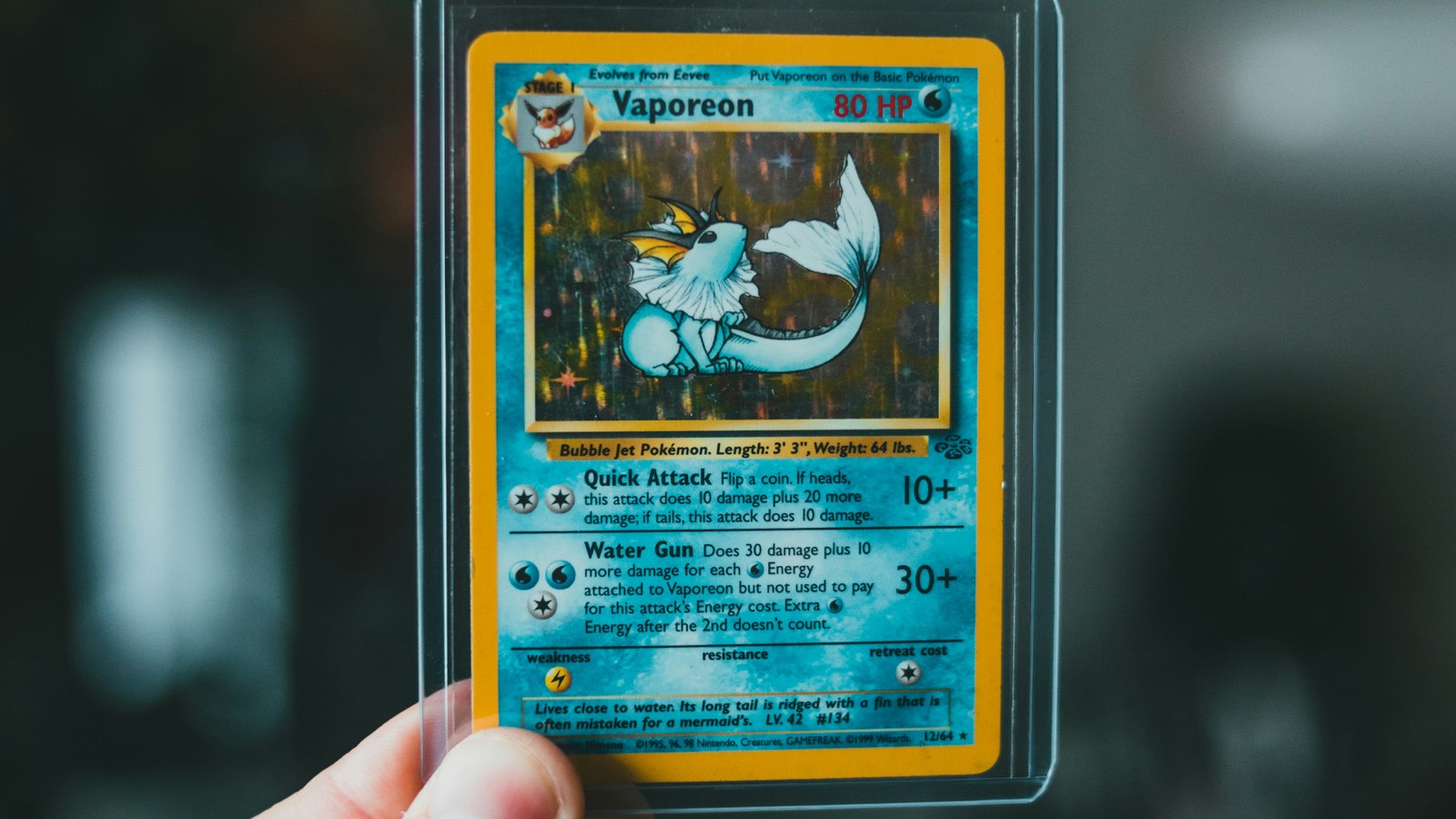
Graded cards need more than a normal card row
A graded Pokemon card is still part of your collection, but it carries extra information that raw cards do not. The grade, grading company, cert number, case condition, value history, and storage location all matter.
If graded cards are tracked in a separate note, they become easy to forget when you calculate collection value or plan a sale.
Record the slab identity
For each graded card, track:
- card name
- set
- collector number
- language
- grading company
- grade
- cert number
- label notes
- case condition
The cert number matters because two copies of the same card in the same grade can still have different history, images, or resale trust. Case condition matters too. A scratched or cracked slab can affect buyer confidence even when the card grade is unchanged.
Keep raw and graded copies connected
Collectors often own a raw copy and a graded copy of the same card. Those should be connected, not treated as unrelated records. The relationship helps answer practical questions:
- Do I already own this card in a better format?
- Should I sell the raw copy because the graded copy covers the goal?
- Is the raw copy worth grading later?
- Does the graded value justify the storage or insurance attention?
Use a Pokemon card collection app that can keep variants and copy-level details clear.
Track cost basis and grading costs
A slab's profit or loss is not just sale price minus purchase price. If you submitted the card yourself, include grading fee, shipping, insurance, supplies, and any upcharges. If you bought it graded, record the purchase price and date.
This helps you compare raw versus graded outcomes honestly. The raw and graded price comparison guide covers that decision in more detail.
Watch value by grade
A PSA 10, PSA 9, CGC 10, CGC 9.5, BGS 9.5, and raw near-mint copy can all move differently. Do not use one generic market value for every version. Track the value for the actual grade and company you own.
For important slabs, use Pokemon card price history and date each update so you know whether the value is current or stale.
Store slabs like inventory, not decorations
Graded cards are protected, but not invincible. Track where each slab lives:
- display shelf
- slab case
- safe
- shipping queue
- trade binder alternative
- off-site storage
If a card is valuable enough to grade, it is valuable enough to locate quickly. Storage location also matters for insurance or estate documentation.
Add an action field
Every slab should have a next action:
- hold
- sell
- trade
- crack and resubmit
- cross-grade
- insure
- display
- move to safer storage
This prevents graded cards from becoming a passive pile. You can review the action list when prices change or when a show, trade night, or sale window comes up.
The simple rule
To track graded Pokemon cards, record the slab identity, cert number, grade, company, cost basis, value by grade, storage location, and next action. A slab is a specific asset, not just a prettier version of a raw card.