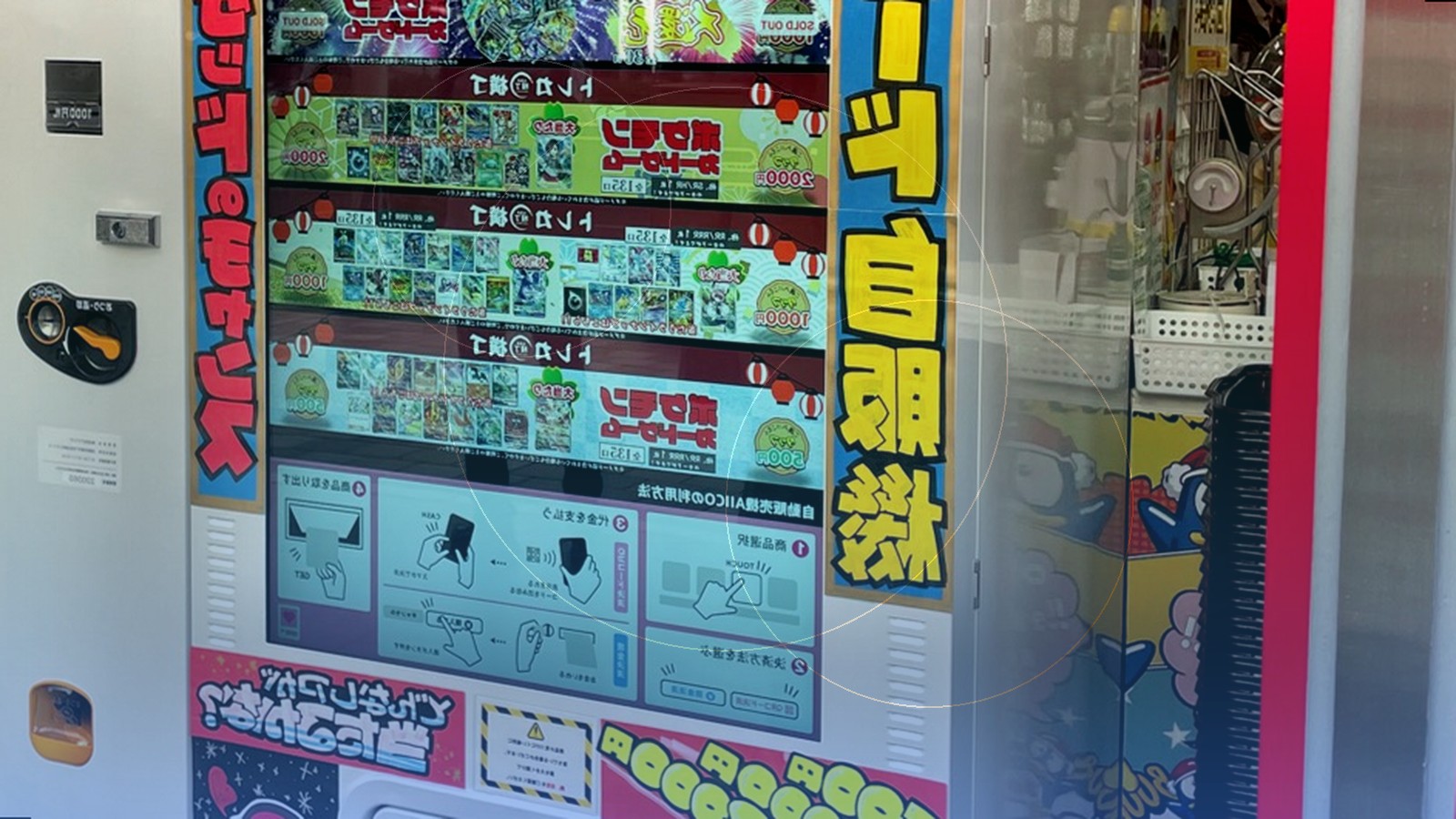
Walking into a local trade night, card convention, or peer-to-peer transaction without a structured pricing plan often leads to immediate regret. High-energy event floors and fast-paced negotiations create pressure to make quick decisions, making it easy to mistake an inflated asking price for real market value or overvalue a raw card with hidden condition flaws.
A pre-deal pricing sheet solves this problem by giving you clear market baselines, defined condition adjustments, and strict walk-away numbers before you handle a single card. By doing your pricing research in advance, you can negotiate with confidence, protect your trade value, and acquire missing singles at fair market prices.
Why Pre-Deal Pricing Research Prevents Bad Trades and Overpaying
When trading or purchasing Pokemon cards in person, emotional bias and seller persuasion can distort your perception of value. Sellers often anchor their asking prices to peak market highs or active online listings that haven't actually sold. Without an established baseline, you might agree to a trade based on outdated figures or inflated values.
Setting up a dedicated pre-deal pricing sheet allows you to:
- Establish objective fair market values before standing at a trade table.
- Calculate realistic walk-away limits so you never overpay under pressure.
- Standardize condition discounts for raw cards showing minor edge wear or surface flaws.
- Speed up negotiations by referencing verified price ranges instantly.
By taking control of your pricing data before a deal begins, you remove guesswork and keep every trade balanced.
Step 1: Establishing Realistic Market Baselines
The foundation of any pricing research is identifying what cards actually sell for, rather than what sellers hope to receive. Asking prices listed on forums or marketplace storefronts reflect seller expectations, not completed transactions.
To establish an accurate baseline:
- Focus on recent completed sales: Look at completed sold listings over the last 7 to 30 days to establish the true market trajectory.
- Filter out outliers: Disregard abnormally low bids from desperate sellers or sky-high prices from unverified listings.
- Cross-reference multiple sources: Compare recent sales across major secondary trading venues to find a realistic median price.
Using a dedicated pokemon card price checker gives you quick access to aggregated sold comps, helping you lock in a reliable average value for every card on your target list.
Step 2: Factoring Condition Penalties Into Your Floor and Ceiling
A card's condition dictates its true trade value. A raw chase card with light corner whitening or minor surface scratches does not command the same price as a flawless pack-fresh copy. Your pre-deal sheet must include tiered price targets based on physical condition grades.
When building your pricing targets, establish realistic condition adjustments:
- Near Mint (NM): 100% of baseline market value. Crisp corners, sharp edges, and clean surfaces with no noticeable defects.
- Lightly Played (LP): 80%–85% of NM baseline. Minor edge whitening or slight surface foil scratches visible upon close inspection.
- Moderately Played (MP): 60%–70% of NM baseline. Clear border wear, softer corners, or minor creasing/denting.
- Heavily Played (HP) / Damaged: 40%–50% or less of NM baseline. Significant creasing, surface abrasion, or heavy structural wear.
Write down these specific tier limits next to each target card on your sheet. If a card presented at a show turns out to be Lightly Played instead of Near Mint, you immediately know your adjusted offer limit without having to recalculate on the spot.
Step 3: Calculating Cash-to-Trade Spreads and Trade Ratios
Cash and trade values are rarely identical. In person-to-person deals, collectors frequently expect a small trade premium when swapping raw singles for cash, or when trading down a high-value grail card for multiple mid-tier cards.
Before heading to a deal, define your personal trade parameters:
- Card-for-Card Swaps: Aim for an equal 1:1 trade value match based on NM baseline comps.
- Trading Up (Multiple lower cards for one high-tier card): Be prepared to offer 105% to 110% in total trade value to compensate the owner of the single higher-value card.
- Cash Purchases: Establish your maximum cash price ceiling, typically capped at 90%–100% of current market value depending on liquidity and local demand.
Including these clear percentage rules on your pre-deal reference sheet keeps your math consistent across every deal, preventing trade fatigue during long event sessions.
Step 4: Formatting Your Pre-Deal Reference Sheet for Speed
Your pricing guide needs to be fast and readable at a glance. Whether you maintain a digital document on your phone or print a physical sheet for your trade binder pocket, clear organization is essential.
Structure your sheet with five essential columns:
- Card Name & Set Number: Identify the card name and set printing clearly (e.g., Charizard ex #223/197).
- Baseline NM Comp: The current median sold market price.
- Condition Cutoffs: Quick-reference prices for NM, LP, and MP copies.
- Target Buy Ceiling: The absolute maximum cash or trade value you will offer.
- Trade Status / Priority: Notes on whether you are actively seeking or offering the card.
Grouping cards by expansion set or priority tier allows you to scan your list in seconds while standing at a vendor table or trade booth.
Step 5: Verifying Cards on the Spot with Fast Digital Scans
Even with a detailed prep sheet, unexpected cards will appear in trade binders. You might stumble upon a high-value variant, a Japanese parallel, or an alternate print line that wasn't on your initial target list.
When unlisted cards come into play, pulling up a fast pokemon card scanner allows you to identify set numbers, language variations, and foil patterns instantly. Visual camera recognition eliminates manual typing errors and verifies exact printings within seconds, ensuring your quick spot-check matches the card sitting on the table.
Step 6: Managing Your Target List and Collection Data Post-Deal
Once a trade or purchase is finalized, logging the transaction immediately keeps your collection records accurate and prevents duplicate spending down the road.
Updating your records in a reliable pokemon collection app helps you:
- Record your actual cost basis or trade items exchanged for the new card.
- Remove completed targets from your active want list.
- Keep track of binder locations for raw pickups.
- Maintain an accurate total valuation of your entire collection.
Closing the loop after every event ensures that your next pre-deal preparation starts with clean, up-to-date data.
Make Every Trade and Purchase Count with PokeSnap
Preparation is what separates confident, successful collectors from those who constantly second-guess their trades. Building a solid pre-deal pricing sheet gives you clear boundaries, accurate valuations, and total control during negotiations.
With PokeSnap, taking control of your collection setup is effortless. Use PokeSnap's rapid camera scanner to instantly identify raw singles, verify set details, check current market pricing, and manage your collection inventory anywhere you go. Download PokeSnap today to bring clarity, speed, and accuracy to your next Pokemon card deal!