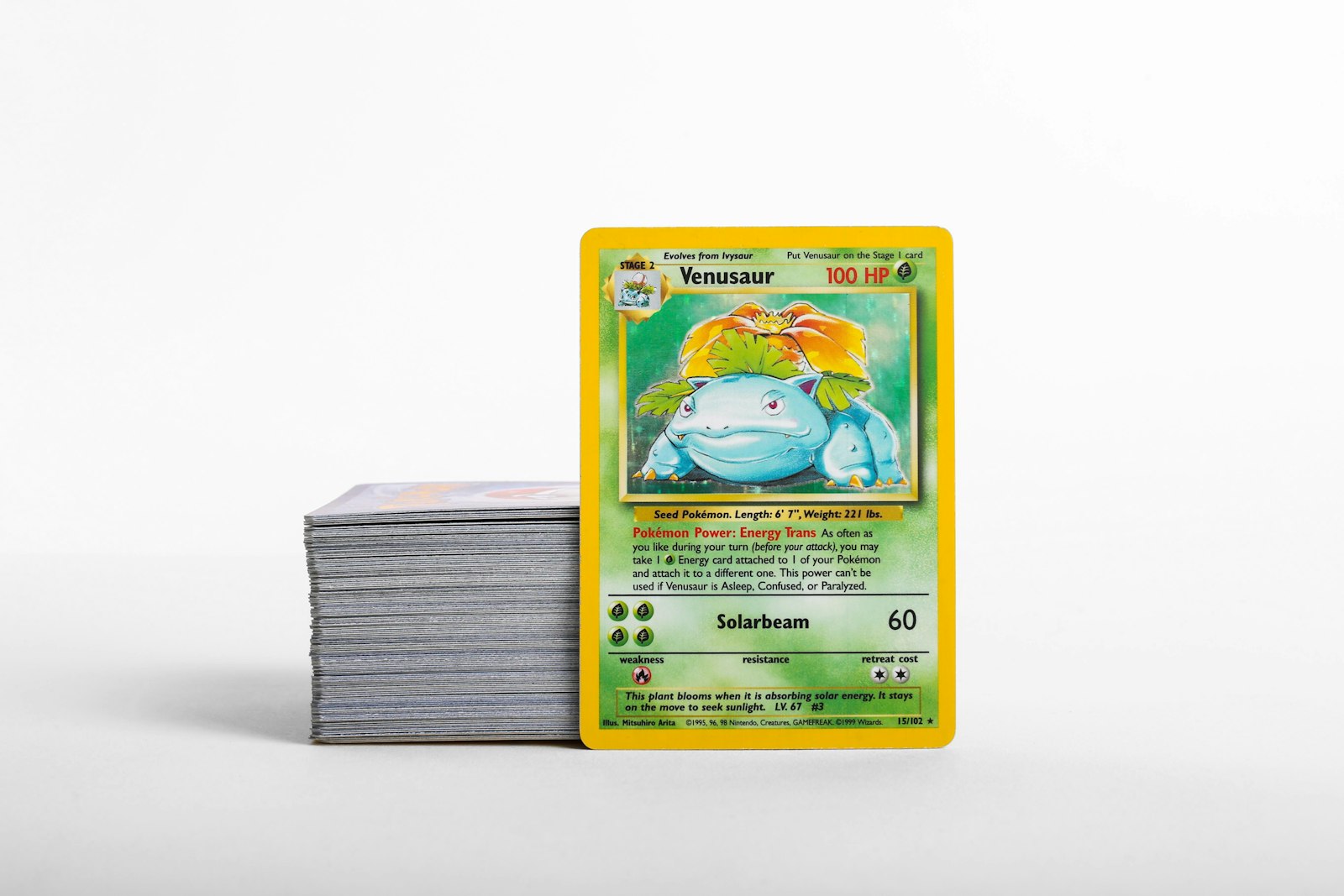
Protecting Your Raw Pokemon Cards from Physical Wear
To protect raw Pokemon cards from physical wear, you must align the card's condition and rarity with the appropriate level of physical protection. This means using acid-free penny sleeves for bulk holo cards, adding rigid toploaders or semi-rigid holders for valuable hits, and keeping binder collections in side-loading, zipper-closed binders with non-PVC pages.
When you pull a beautiful card from a booster pack, the clock starts ticking. Every time a raw card is handled, moved, or even exposed to the air, it faces potential wear. Dust, friction, humidity, and improper storage choices can quietly degrade a pristine card into a worn, scratched copy. Before you decide how to store a card, it is highly recommended to use a Pokemon card scanner to identify your card and understand what you have in your hands. Once you know what you are dealing with, you can assign it to the correct tier of protection.
The Core Threats to Raw Pokemon Cards
Raw cardboard is incredibly fragile. To prevent wear, you first need to understand what actually damages cards over time:
- Friction: This is the most common cause of surface scratches and edge wear. Sliding a card directly into a plastic binder pocket or cardboard box without a sleeve causes the surface to rub against rough material.
- Dust and Debris: Microscopic dust particles act like sandpaper. If dust gets trapped inside a sleeve or binder pocket, any movement will grind those particles into the delicate foil surface of your card.
- Humidity and Temperature: Moisture causes the paper and foil layers of a card to expand at different rates, leading to foil curl. Extreme heat can also warp plastics and damage card stock.
- Acidic Materials: Cheap plastics contain PVC and plasticizers that degrade over time, releasing acids that can yellow and ruin your cards.
By establishing a clear barrier between your cards and these environmental threats, you can preserve their raw condition for years to come.
Selecting the Right Sleeves: Penny Sleeves vs. Perfect Fits
Sleeves are your first line of defense. Every card that is worth more than common bulk should be placed in a sleeve immediately after opening. However, not all sleeves are created equal.
Penny Sleeves
Penny sleeves are loose-fitting, clear plastic sleeves made from archival-safe polypropylene. Because they are slightly larger than the card itself, they allow you to insert and remove the card with zero friction on the edges or corners. This makes them the absolute best choice for general protection and the mandatory first step before putting a card into a rigid toploader.
Perfect Fit Sleeves
Perfect fit sleeves are designed to hug the card exactly, leaving no extra plastic around the borders. They are excellent for double-sleeving (putting a perfect fit on a card upside down, then sliding it into a standard sleeve). However, perfect fits require a delicate touch. Forcing a card into a perfect fit sleeve can easily nick a corner or bend an edge if you are not careful. Always inspect the sleeve opening before sliding the card in.
Regardless of which style you choose, make sure the packaging explicitly states "PVC-Free" and "Acid-Free."
Deciding on Binders: Ringed vs. Ringless Side-Loaders
Many collectors love the experience of browsing their collection in a binder. If you want to keep your cards in a binder, you must choose the format carefully to avoid accidental damage.
The Danger of 3-Ring Binders
Traditional three-ring binders (especially those with round rings) are a major risk factor for raw cards. If the binder is overfilled or if the pages sag when the binder is stored vertically, the metal rings can press directly into the innermost row of cards. This creates a permanent, devastating indent known as a "ring dent." If you must use a ring binder, choose a D-ring binder and never overfill it.
The Safety of Ringless, Side-Loading Binders
For raw cards, a ringless binder with built-in, side-loading pages is the gold standard. Side-loading pockets prevent cards from sliding out of the top when the binder is carried or turned upside down. Additionally, these binders feature a padded, fixed spine that keeps the pages completely flat, eliminating the risk of ring damage. Look for binders with a zipper closure to keep dust and humidity out.
When to Upgrade to Rigid Protection: Toploaders and Semi-Rigids
If a card is highly valuable or holds deep sentimental value, a sleeve and a binder page might not offer enough structural support. This is where rigid holders come in.
Toploaders
Toploaders are thick, rigid plastic cases that protect cards from bending, impact, and heavy surface pressure.
- Rule of Thumb: Never put a raw card into a toploader without a penny sleeve first. The rough, hard plastic interior of a toploader will scratch the raw surface of your card.
- Pro Tip: Use a small sticky tab on the outside of the penny sleeve before inserting it into the toploader. This gives you a safe pull-tab to remove the card later without squeezing the sides of the toploader and bending the card.
Semi-Rigid Holders
Semi-rigid holders (often called Card Savers) are thinner and slightly flexible, but they hold the card firmly in place so it cannot slide around. Because they prevent all internal movement, they are the preferred choice for sending cards to grading companies. However, they can be more difficult to insert cards into safely, so take your time and guide the card in gently.
Storage Cases and Boxes: Organizing Your Protected Cards
Once your cards are safely in sleeves and toploaders, you need a safe place to store them. Leaving stacks of toploaders on a desk or in open bins exposes them to sunlight, dust, and accidental spills.
For bulk cards and low-value holos, heavy-duty cardboard storage boxes with divided rows are highly effective and inexpensive. For toploaders, look for specialized cardboard boxes that are slightly wider to accommodate the extra plastic width.
For high-value raw cards, consider investing in a waterproof, foam-lined hard case. These cases seal out moisture, protect against drops, and keep your cards in a completely dark, climate-controlled environment. Always store your storage boxes off the floor in a closet or room with stable temperatures to avoid humidity spikes. To keep your physical storage organized, use a Pokemon collection app to log where each card lives, making it easy to find them without rummaging through boxes.
A Simple Checklist for Your Storage Decisions
To make your sorting process easier, you can divide your collection into four simple tiers. You can quickly determine which tier a card belongs to by using a Pokemon card price checker to evaluate its general market standing:
| Card Tier | Recommended Protection | Recommended Storage | | :--- | :--- | :--- | | Bulk Commons / Uncommons | No sleeve required | Standard cardboard bulk boxes stored vertically | | Holo / Reverse Holo Rares | Single penny sleeve | Cardboard storage boxes or standard binder pages | | Binder Hits (Ultra Rares, Illustration Rares) | Penny sleeve (or double-slipped) | Side-loading, zipper-closed binder | | High-Value Raw Singles | Penny sleeve + rigid toploader | Toploader storage box or a foam-lined hard case | | Grading Candidates | Penny sleeve + semi-rigid holder | Dedicated storage box designed for semi-rigids |
Keep Your Collection Safe and Organized
Protecting your raw Pokemon cards is not just about buying the most expensive gear; it is about establishing a consistent system that matches protection to card wear and value. By utilizing acid-free sleeves, choosing ringless side-loading binders, and storing your hits in rigid cases, you ensure your cards remain in beautiful condition for years to come.
Ready to organize your collection and decide which cards deserve premium protection? Download PokeSnap today to scan your cards instantly, check their details, and keep a clean, digital record of your entire collection.