A lot is not just one big number
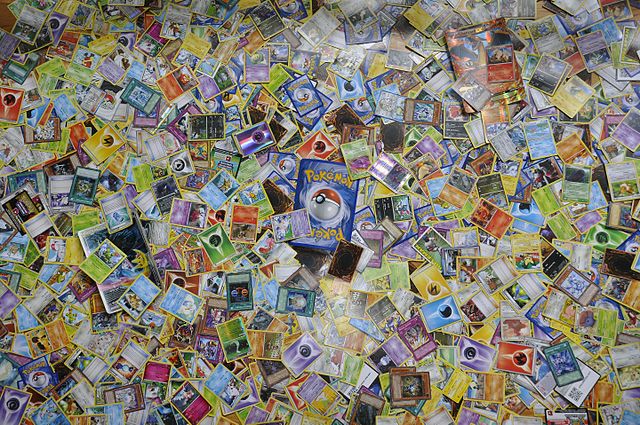
Pricing a Pokemon card lot goes wrong when people treat the pile like a single object with one magical value. A lot is usually several buckets mixed together:
- standout singles
- decent mid-tier cards
- duplicates
- uncertain cards that still need identification
- true bulk
If you price the entire lot from one chase card photo, you will overestimate it. If you flatten everything into bulk, you will miss what actually matters.
Start by isolating the cards that can move the total
The first step is not to count every common. It is to identify the small group of cards that could change the outcome materially. That often means cleaner hits, recognizable chases, older holos, playable staples, promos, or language-specific cards that need better context.
This is where the Pokemon card scanner helps because it turns a messy photo-driven lot into a cleaner identification workflow. Once the likely drivers are confirmed, the rest of the lot becomes easier to frame.
Apply condition discounts early instead of at the end
One of the easiest ways to overprice a lot is to assume that every notable card belongs in a near-mint lane until proven otherwise. The safer approach is the opposite: inspect condition early and reduce expectations before the number calc starts feeling real.
If the headline cards show whitening, surface issues, dents, or general wear, that should affect the lot valuation immediately. Do not let raw headline prices leak into a lot estimate that cannot actually achieve them.
Duplicates matter because they change your exit path
Two copies of the same card are not always worth “double” in practical terms. Duplicates may still be useful, but they often move into trade, sale, or bulk lanes with different friction and different timing.
That means a lot should be judged by:
- cards you truly want to keep
- cards you can sell confidently
- cards that are only extra inventory
If a lot gives you mostly duplicates you do not need, the number has to absorb that friction.
Bulk has value, but not fantasy value
Bulk is part of the lot, but it should stay in the right mental lane. The question is not “Could every card eventually sell?” The question is “What is the realistic value of moving this bulk through your actual workflow?”
If you already know you do not want to sort, list, or trade the tail end of the lot, price that portion conservatively. Otherwise you are paying yourself with work you never plan to do.
Use pricing tools to anchor the estimate, then log the result
Once the likely key cards are identified, use the price checker to anchor the stronger pieces and then store the final decision inside your collection app if the lot becomes yours. That keeps the lot from turning into a mystery pile after the excitement fades.
For the buyer mindset, compare this workflow with how to buy Pokemon card collections.
The simple rule
To price a Pokemon card lot well, separate the key cards from duplicates and bulk, discount condition honestly, and base the final number on the exit paths you will actually use. A lot is worth what its cards can realistically become in your hands, not what the best screenshot suggests.
If you want a cleaner follow-up after the purchase, pair this with how to track Pokemon card duplicates so the lot does not disappear into unsorted inventory.