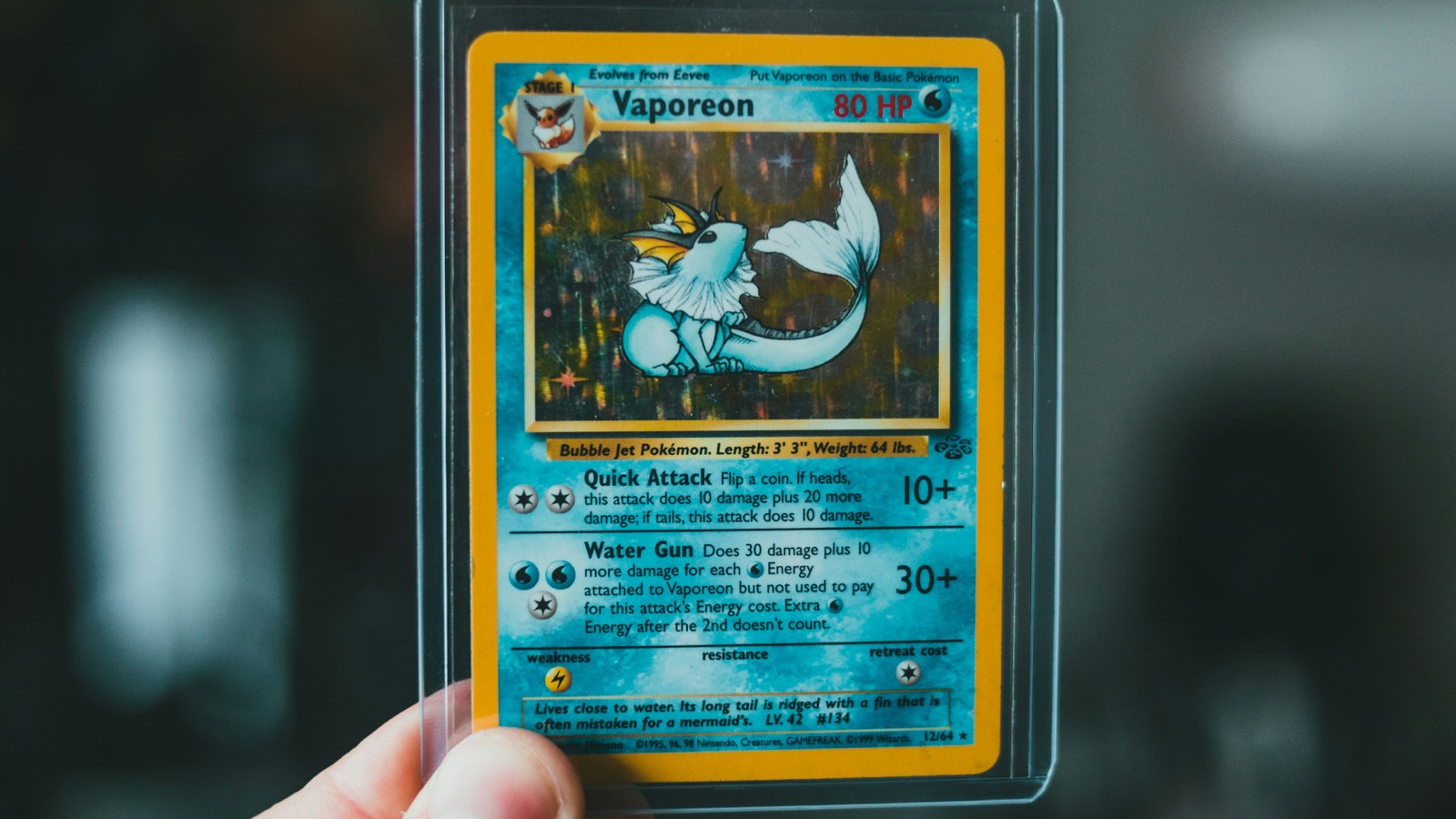
Many Pokemon card flaws do not happen inside factory packs or during shipping—they happen right at the collector's desk. A slight miscalculation when sliding a holo card into a tight sleeve can turn a clean corner into a lifted paper edge. A stubborn binder pocket can catch a bottom edge and leave a crescent dent. Over time, subtle handling friction causes avoidable physical wear on cards that were otherwise pack-fresh.
Protecting card condition requires understanding how friction, edge pressure, and tight storage gear physically affect paper stock and foil layers. By building a deliberate handling routine and choosing storage gear that minimizes resistance, collectors can prevent structural damage before it starts.
The Anatomy of a Pinch: How Bad Sleeving Technique Ruins Corners
When a card enters a sleeve at an angle, the bottom corner meets resistance against the side seam of the polypropylene plastic. Pushing harder forces the thin corner paper to bend back or curl. On modern textured ultra rares or vintage foil cards, this pressure creates immediate whitening or small corner pinches.
To eliminate corner pinches during sleeving, follow a low-resistance entry routine:
- Gently flare the sleeve opening: Use your thumb and index finger to lightly flex the top opening of the sleeve open before the card makes contact.
- Align parallel to the seams: Keep the card squared up with both side edges of the sleeve rather than angling one corner in first.
- Let gravity assist: Guide the bottom of the card into the flared top, then let the card slide smoothly down using light pressure on the side edges rather than pushing down on the top rim.
Never force a card that encounters resistance mid-slide. If the card stops moving, pull it back out gently, re-open the sleeve, and re-align.
Perfect-Fit Sleeves vs. Penny Sleeves: Choosing Without Catching Edging
Collectors often debate between standard clear penny sleeves and inner perfect-fit sleeves. While inner sleeves provide zero-movement protection inside binder pages or hard shells, their tight tolerances carry higher handling risk during insertion.
If a perfect-fit sleeve is even a fraction of a millimeter too small, pushing the card down compresses the top border, causing subtle surface dents or corner bending. Penny sleeves offer generous clearance on all four sides, making them virtually risk-free for initial handling, temporary sorting, and high-volume cataloging.
Use this decision criteria when choosing sleeve types:
- Standard Penny Sleeves: Ideal for raw cards, initial intake, bulk sorting, and cards placed directly into loose binder slots or semi-rigid holders.
- Perfect-Fit Sleeves (Top-Loading): Safe for cards intended for double-sleeving inside rigid side-loading binders, provided you enter the card perfectly straight without forcing the corners.
- Avoid Bottom-Loading Inner Sleeves: Bottom-loading sleeves leave the vulnerable top edge of the card exposed to dust and friction inside binder pockets.
If you suspect a card might be too thick for an inner sleeve (such as certain vintage cards or multi-layer promo cards), default to a standard penny sleeve immediately.
Loading Binders Safely: Preventing Side-Loader Snags and Page Pinching
Side-loading binder pages with stitched seams keep cards secure, but loading sleeved cards into tight pockets can snag trailing edges if done carelessly. If the sleeve material catches on the inner lip of the pocket, the card inside can flex, leaving faint crease lines across the foil.
When inserting sleeved cards into binder pages:
- Ensure the card is fully seated at the bottom of its penny sleeve or inner sleeve so no paper edge extends past the plastic rim.
- Bow the binder pocket open slightly with your non-dominant hand by flexing the page flat against your work surface.
- Guide the sleeved card straight into the side opening without bending the binder pocket back sharply.
- Smooth the pocket down gently from center to outer edge to release trapped air without pressing hard on the card face.
Additionally, avoid overfilling binder pages. Packing two sleeved cards back-to-back into a single-slot pocket increases tension on the outer plastic layer, creating ring-dents and surface compression marks over time.
Box Pressure and Toploader Friction: Preventing Dents in Card Stacks
Storing sleeved cards inside card storage boxes or putting raw cards into rigid toploaders introduces distinct pressure points that can compromise condition.
Toploaders require a card to be sleeved first. Pushing an unsleeved card into a rigid toploader will drag the bare corners against hard plastic walls, creating edge scraping. Even when sleeved, forcing a card into an overly tight or warped toploader applies lateral pressure that can indent elevated foil surfaces.
When organizing cards in storage boxes or toploaders:
- Always sleeve before inserting into hard shells: A penny sleeve acts as a sacrificial barrier against internal friction inside toploaders or magnetic holders.
- Avoid over-packing storage boxes: Cards stacked too tightly in cardboard or plastic storage bins experience constant surface pressure. Leave enough space to slide your fingers between cards easily without pushing down on the stack.
- Use padded dividers: Place rigid card dividers between distinct set sections to prevent card tilt, which can bend bottom corners if the box is shifted.
Daily Handling Protocol: Moving Cards Between Inspection, Scanning, and Storage
Frequent handling is the single biggest contributor to cumulative edge wear and surface oil buildup. Every time a card is pulled out of a binder or sleeve to inspect details, price-check, or verify set numbers, it faces handling risk.
Streamline your handling workflow to protect card physical integrity:
- Set up a soft surface: Clean your desk and work on a clean felt mat or soft microfiber pad. Never slide raw or sleeved cards across bare wooden or hard laminate tables.
- Handle by edges only: Hold cards lightly along the side borders with clean, dry hands. Avoid touching the active foil art box directly to prevent moisture spots and fingerprint oils.
- Scan once during intake: When processing new acquisitions or fresh pulls, use a dedicated Pokemon card scanner immediately after unsleeving or during safe initial handling.
Capturing accurate card data during your initial intake routine reduces the need to physically remove cards from protective holders later on.
How Digital Tracking Keeps Physical Handling to a Minimum
The safest way to protect card condition over long storage periods is to minimize physical access. Searching through physical binder pages or flipping through raw storage boxes to verify condition notes, set symbols, or duplicate counts repeatedly exposes cards to environmental friction and accidental drops.
By pairing safe storage habits with a modern Pokemon collection app, you maintain total visibility over your collection without handling physical stock:
- Track exact storage locations: Know whether a card lives in binder A, box 2, or a protective shell without pulling pages out to check.
- Verify details digitally: Review high-resolution digital records, card numbers, and condition notes directly on your phone.
- Monitor value without moving cards: Check market comps using a reliable Pokemon card price checker without pulling cards from their sleeves to read small print.
Building a deliberate storage protocol—from flare-sleeving and binder loading to zero-touch digital inventory management—keeps your raw singles, binder sets, and high-end pulls safe from preventable physical wear.
Keep Your Collection Organized and Safe
Preventing wear starts with good handling habits, but staying organized ensures your protected cards stay safe for the long haul. Explore our complete collection of guides on the PokeSnap blog to learn more about collection workflows, binder strategies, and practical storage solutions.
To minimize physical handling while keeping your collection fully cataloged, download PokeSnap today. Scan your Pokemon cards instantly, track values in real time, and manage your entire inventory without pulling cards from their protective sleeves.