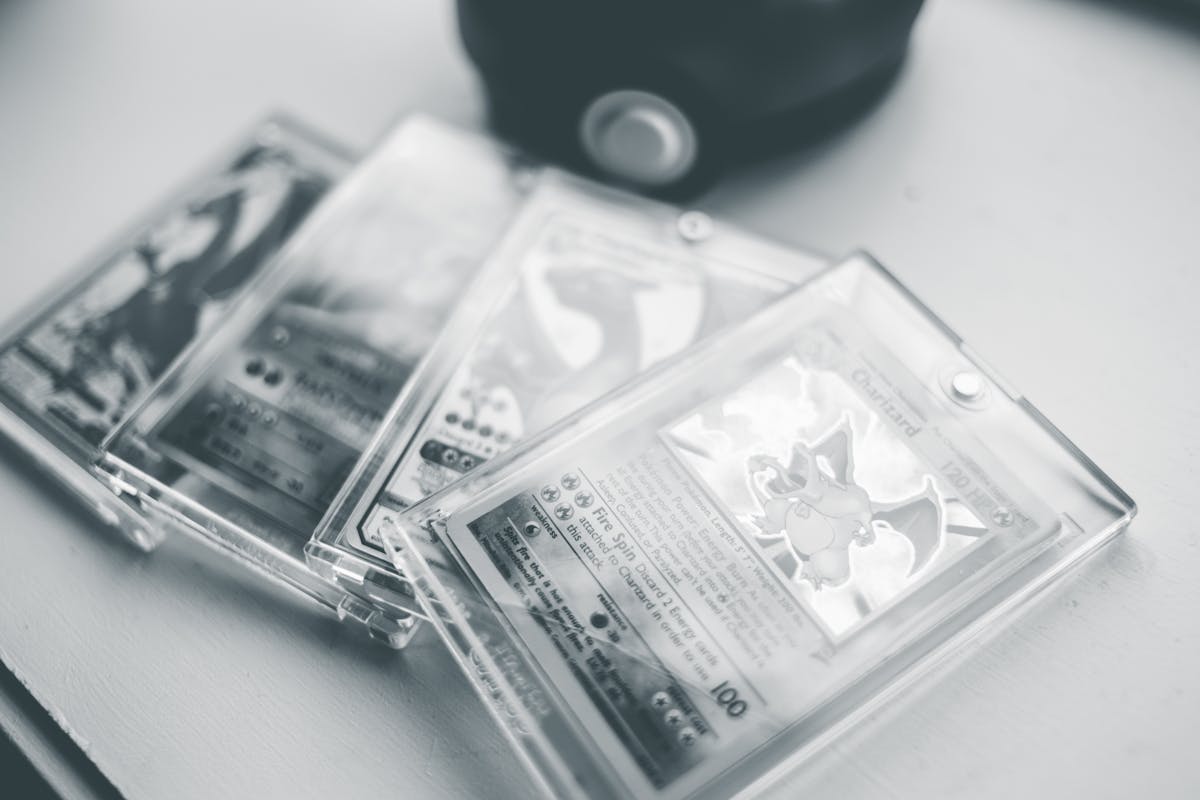
Condition photos are not only for selling
Most collectors think about card photos only when they are preparing a listing. But condition photos are useful long before a card is for sale. They help you remember why a card was marked lightly played, compare copies, support trade conversations, and decide whether a card deserves grading review.
The goal is not a dramatic photo. The goal is a clear record that still makes sense months later.
Use one boring setup every time
Consistency matters more than style. Pick a flat surface, steady light, and repeatable phone angle. Avoid heavy filters, color casts, and dark backgrounds that hide whitening.
A good condition setup should show:
- the full front
- the full back
- all four corners
- edge whitening
- surface scratches or dents
- holo texture without glare
If a photo hides those details, it is not helping the record.
Photograph before you sleeve if the card is safe to handle
Sleeves and top loaders add glare and dust. If the card is already safe on a clean surface, take the main condition photos before putting it into storage. For valuable cards, handle minimally and use clean hands or nitrile gloves only if you are comfortable doing so.
If protection is the priority, review how to protect Pokemon cards before setting up a longer photo session.
Capture identity and condition together
A condition photo is most useful when it is tied to the exact card record. Repeated names and reprints make loose photos hard to trust. Start by confirming identity with a Pokemon card scanner or database workflow, then attach the condition context to that card in your inventory.
This matters when you own multiple copies. A photo of "Charizard" is not enough if the collection contains several different versions or conditions.
Use angled light for surface issues
Flat overhead light can make a card look cleaner than it is. To reveal surface marks, move the light to the side and tilt the card or phone slightly. This helps show:
- scratches on holo areas
- dents or pressure marks
- binder impressions
- print lines
Do not exaggerate flaws with extreme lighting. The goal is honest visibility, not making the card look worse or better than reality.
Keep the photo workflow short
You do not need a full photo set for every common card. Use condition photos where the record changes a future decision:
- higher-value singles
- grading candidates
- trade cards
- duplicates with different condition
- cards with seller disputes or shipping concerns
For broader condition language, pair this with the Pokemon card condition guide.
Connect photos to price and storage decisions
Once condition is documented, a Pokemon card price checker becomes more useful because you can compare the correct condition lane. The same photo record can also tell you whether the card belongs in a binder, top loader, grading pile, or trade binder.
If your inventory already feels mismatched, use how to do a Pokemon card collection audit after adding photo evidence to the most important cards.
The simple rule
To photograph Pokemon card condition well, use consistent light, capture front and back clearly, show corners and surface issues honestly, and tie the photos to the exact card record. Good photos make your inventory easier to trust, not just easier to sell.
If the next step is selling, continue with how to photograph Pokemon cards for selling for listing-specific shots.