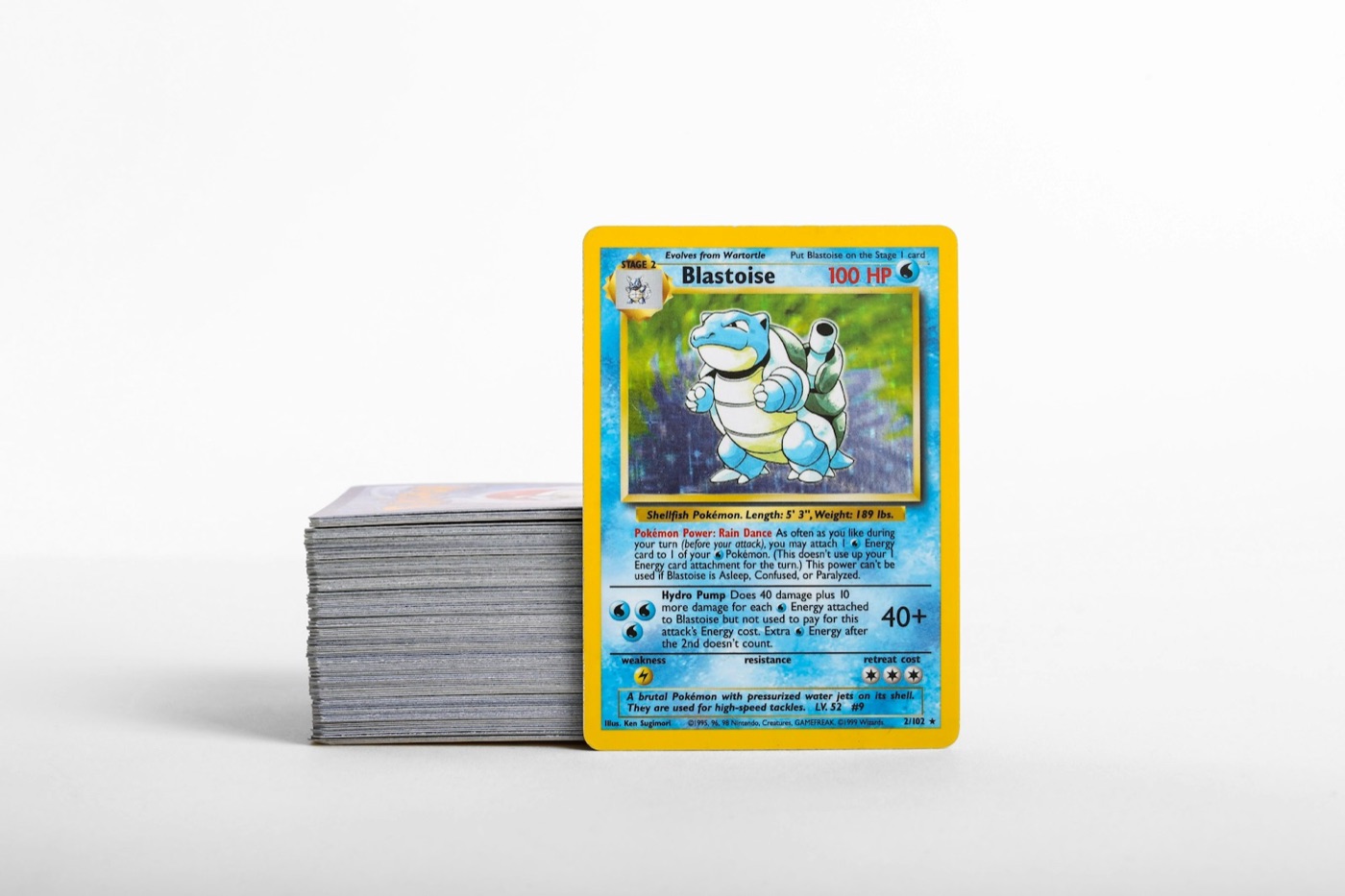
A good trade offer starts before the binder opens
Pokemon card trading works best when both collectors understand what is being compared. The goal is not to win every dollar. The goal is to build a trade that feels clear, fair, and easy to explain.
That starts with preparation. Know what you are offering, what you want, and how flexible you are before trade night begins.
Separate trade cards from personal cards
The fastest way to make bad offers is mixing your personal collection with your trade pile. A card you do not really want to move will make every fair offer feel too low.
Before trading, split your cards into:
- Available for trade
- Trade only for wishlist cards
- Personal collection, not available
- Duplicates you are happy to move
This makes negotiation cleaner. It also prevents regret after the trade is done.
Compare exact card identity and condition
Two cards with similar names can have very different values. Before quoting a number, confirm set, collector number, language, variant, and condition. Then compare condition honestly.
Condition differences matter even when both cards are desirable. Edge wear, surface scratches, centering, dents, and foil issues can change the trade balance quickly. A fair offer should acknowledge visible flaws instead of pretending every card is near mint.
If you need a refresher, use the Pokemon card condition guide before trade night.
Use recent prices as a guide, not a weapon
Recent comps help, but they should not turn the trade into a courtroom. One high listing or one unusually low sale should not decide the whole exchange. Look for a reasonable range across recent sold prices, then adjust for condition and demand.
A helpful phrase is: "I am seeing this around this range in similar condition." That keeps the conversation grounded without making the other collector feel trapped by one screenshot.
For higher-value cards, run both sides through a Pokemon card price checker and talk through the assumptions.
Account for demand and liquidity
Equal dollar value does not always mean equal trade quality. A popular chase card may be easier to move than several slower cards with the same total value. That does not mean one side should exploit the other. It means the trade should recognize liquidity.
For example, one high-demand card for many lower-demand cards may need a slight value cushion. On the other hand, a collector completing a binder page may prefer the exact cards they need over a single expensive card.
Fair trades depend on priorities, not just math.
Make the offer easy to review
A clean trade offer usually has three parts:
- What you are giving.
- What you are asking for.
- Why the value feels balanced.
If the trade is complicated, lay the cards out clearly and verify both sides before anyone packs cards away. This is especially important at busy events where distractions can create mistakes.
For live events, pair this with the Pokemon card trade night checklist.
Know when to walk away
Not every fair offer becomes a trade. Condition preferences, sentimental value, current goals, and cash needs can all change the decision. A declined trade is not automatically unfair.
The best collectors leave the door open. Clear, respectful trade habits build better future offers than pushing too hard on one deal.
The simple rule
To make a fair Pokemon card trade offer, compare exact identity, honest condition, recent value, and collector priorities. Build an offer both people can explain clearly, and treat walking away as a normal part of trading.