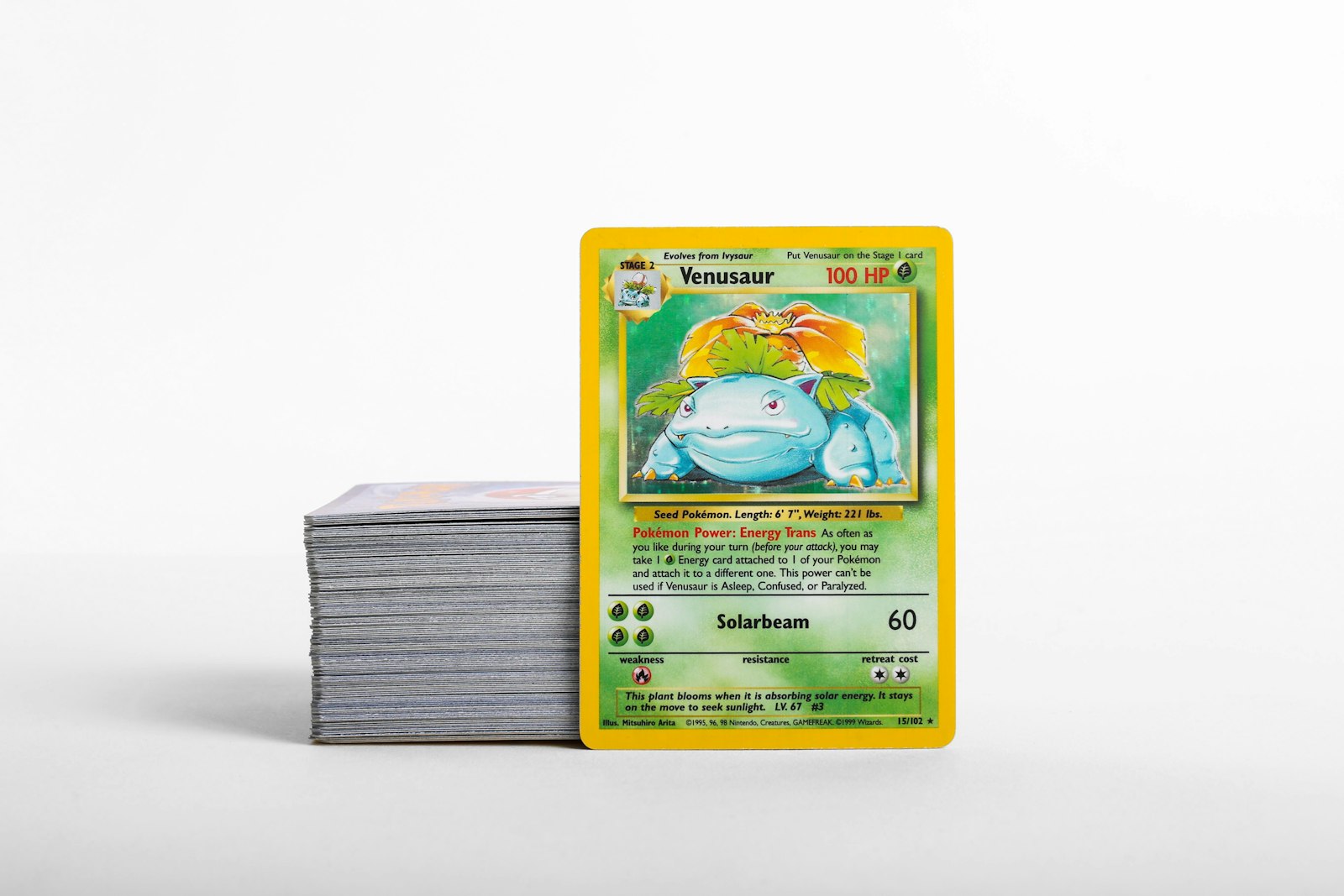
How to Inspect Raw Pokemon Cards to Choose the Safest Protection and Storage
When you pull a beautiful new card or trade for a vintage classic, your first instinct is to protect it. But not every card in your collection requires the exact same level of armor. Over-protecting common cards wastes money on expensive cases, while under-protecting rare hits can lead to irreversible wear that destroys their long-term appeal.
To build a smart, cost-effective preservation system, you need to know how to inspect raw cards and match their physical condition to the right sleeves, binders, and boxes.
In this guide, we will walk you through a practical card inspection routine and show you how to make the best storage decisions for your growing collection.
The Golden Rule of Pokemon Card Storage
The immediate goal of card preservation is simple: match the level of physical protection to the card's vulnerability and value.
A card's physical condition dictates its susceptibility to further damage. For example, a pristine, glossy modern card is highly vulnerable to surface scratches, whereas an older, slightly worn vintage card needs structural support to prevent edges from fraying further.
By inspecting your cards first, you can separate them into clear tiers, ensuring your rarest cards get maximum security while your bulk and play-deck staples remain organized and accessible without breaking your budget.
Step 1: The 10-Second Physical Inspection
Before you slide any card into a sleeve, you must inspect it. Doing this under the right conditions prevents you from sealing away dirt, moisture, or unnoticed flaws that could worsen over time.
Set up a clean, flat surface with strong, direct overhead lighting. Hold the card gently by its edges—never press your fingers directly onto the front or back surfaces to avoid leaving oils and fingerprints.
Look closely for these four primary wear categories:
- Surface Scratches and Scuffs: Tilt the card slowly under your light source. Watch how the reflection moves across the foil or glossy surface. Look for faint lines, cloudy patches, or tiny indentations.
- Edge Whitening: Turn the card over and examine the back borders. The dark blue edges of Pokemon cards easily show raw paper fibers (whitening) if they have rubbed against hard surfaces or other cards.
- Corner Dings: Check all four corners on both the front and back. Look for fraying, softening, or tiny creases where the layers of cardstock might be separating.
- Foil Curl (Warping): Modern holographic cards often bend naturally due to changes in humidity. Inspect the card from the side to see if it has a noticeable "U" shape.
The Protection Spectrum: Binders, Sleeves, and Cases
Once you have assessed the card's condition, you can choose the appropriate protective gear. Here is a breakdown of the standard tools available to collectors:
1. Penny Sleeves (Standard Utility)
These thin, loose-fitting plastic sleeves are the foundation of card protection. They prevent surface scratches and are perfect for grouping cards together or protecting lower-value holos before they go into storage boxes.
2. Perfect Fit Sleeves (Inner Sleeves)
Designed to fit snugly around a card with zero wiggle room, perfect fits are used for double-sleeving. They seal the card from the top or bottom, preventing dust and moisture from reaching the edges.
3. Deck Protectors (Outer Sleeves)
Thicker and stiffer than penny sleeves, these have a textured back and are designed for active handling, shuffling, or sliding into binder pages.
4. Toploaders (Semi-Rigid Protection)
These rigid plastic holders shield cards from bending and impact. They are the gold standard for shipping cards, trading, or storing mid-to-high-value singles outside of a binder.
5. Side-Loading Binders
Unlike old-school three-ring binders that can pinch and dent cards near the rings, modern side-loading binders with built-in, padded pages keep cards flat, secure, and easy to browse.
The Storage Decision Matrix
To make your sorting process fast and repeatable, use this simple decision matrix to route your raw cards to their ideal home:
| Card Category / Condition | Primary Protection | Storage Format | Goal | | :--- | :--- | :--- | :--- | | High-Value Hits / Pristine Raw | Perfect fit + outer sleeve (Double-sleeved) | Toploader or premium binder | Complete isolation from dust, friction, and bending | | Mid-Value Holos / Near Mint | Single penny sleeve or deck protector | Side-loading binder | Safe viewing, easy scanning, and light physical protection | | Playable Staples / Excellent | Standard deck protector | Deck box or binder | Easy access for gameplay and trading without risking edge wear | | Common Bulk / Light to Moderate Wear | Unsleeved or grouped in penny sleeves | Cardboard bulk storage box (vertical) | Compact, organized storage that prevents dust buildup |
Environmental Hazards to Manage in Your Storage Space
Choosing the right plastic protection is only half the battle. Where you store your binders and boxes matters just as much as what you put them in. Keep these three environmental threats in mind when deciding on a long-term storage location:
- Humidity: High humidity causes the cardboard backing and the plastic foil layer of holographic cards to expand at different rates, resulting in curled cards. Keep your collection in a climate-controlled room, and consider tossing silica gel packets into your storage boxes to absorb excess moisture.
- Temperature Swings: Avoid storing your cards in uninsulated attics, basements, or garages. Extreme heat can cause adhesives in binders to degrade or cause plastic sleeves to stick to card surfaces.
- UV Light Exposure: Sunlight fades the vibrant inks on your cards quickly. Never display raw cards in direct sunlight. If you display your favorite cards on a shelf, use UV-resistant cases and keep them away from windows.
Building a Fast and Safe Intake Routine
When you bring home a new stack of cards, don't let them sit in an unsorted pile on your desk where they can get knocked over, scratched, or exposed to spills. Instead, establish a clean intake routine to identify, price, and protect them immediately:
- Clear Your Workspace: Wipe down your desk, wash your hands, and lay out your sleeves, toploaders, and storage boxes.
- Inspect and Scan: Pick up each card by the edges, check its condition, and use a reliable Pokemon card scanner to instantly identify the card.
- Check Value Tiers: Use a Pokemon card price checker to see where the card falls in the current market. This helps you decide if it belongs in a premium toploader or a standard bulk box.
- Sleeve Immediately: Slide the card into its designated sleeve style based on your inspection and value check.
- Log Your Collection: Save the scan to your digital Pokemon collection app so you always know exactly what you have, where it is stored, and what condition it is in.
By keeping your physical storage and your digital inventory in perfect sync, you will save hours of manual searching and protect your collection's physical health and financial value for years to come.
Streamline Your Collection Tracking with PokeSnap
Managing a growing collection of cards doesn't have to feel like a chore. With PokeSnap, you can scan your cards in seconds, instantly check prices, and track your entire collection directly from your phone. Whether you are sorting bulk, organizing master binders, or preparing for your next trade, PokeSnap keeps your inventory accurate and up to date.
Ready to organize your collection? Download PokeSnap on the App Store or Google Play today and take the guesswork out of your card collecting journey.