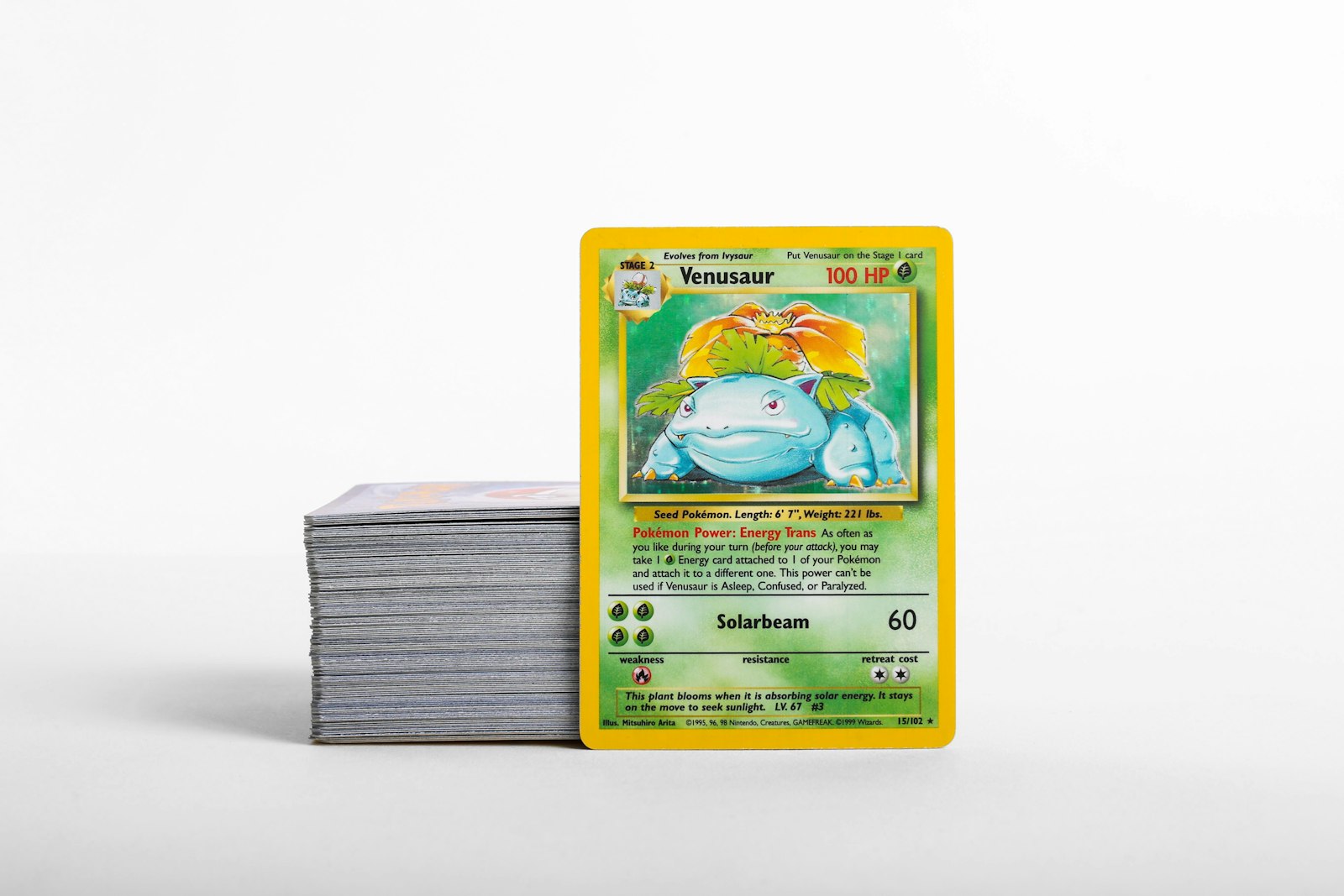
To protect your Pokemon cards effectively, you must first inspect them for physical flaws. Matching the specific wear of a card—such as minor corner whitening, hairline surface scratches, or card warping—to the right protective gear ensures you don't overspend on low-value protection or risk damaging a fragile vintage hit.
Every collector faces the same dilemma: which cards deserve premium double-sleeving, which ones belong in a side-loading binder, and which ones can safely sit in bulk storage boxes? The answer lies in a systematic physical inspection. By identifying subtle flaws early, you can categorize your cards into protection tiers that balance safety, accessibility, and cost.
Identifying Surface Flaws: Scratches, Clouding, and Foil Wear
Surface condition is often the hardest type of wear to spot under standard room lighting, yet it plays a massive role in how you should store a card. The most common surface flaws include:
- Hairline Scratches: Fine lines on the foil or back of the card, often caused by sliding cards across flat surfaces or inside dirty binder pockets.
- Clouding: A hazy, dull patch on the glossy finish, typical on older holographic cards that have been handled frequently without protection.
- Fingerprint Oils: Natural oils from hands that can permanently dull the surface over time if left uncleaned.
The Storage Decision
If a card has a pristine surface, it is highly susceptible to future scratching. These cards must be placed immediately into a soft penny sleeve before they go into any binder or rigid case. Never slide a raw, unsleeved card directly into a plastic binder page or a hard toploader; the friction against the hard plastic can easily create new hairline scratches. For cards that already exhibit moderate surface wear or clouding, a standard penny sleeve is still necessary to prevent the damage from worsening during handling.
Spotting Edge and Corner Damage: Whitening and Silvering
Edges and corners are highly vulnerable to friction. When you handle raw cards, transport them, or shuffle them, the paper layers can split or rub away.
- Whitening: The white paper stock showing through the blue border on the back of the card. This is the most common sign of play or rough handling.
- Silvering: The metallic foil layer showing through the front borders of vintage cards (especially from the Neo or e-Reader eras).
The Storage Decision
Cards with significant corner whitening or edge chipping have compromised structural integrity. The paper layers are frayed, making them highly susceptible to catching on plastic edges.
- Minor Whitening: These cards are perfect candidates for side-loading binders. The pocket protects the edges from dust and movement.
- Severe Whitening or Chipping: Avoid sliding these cards in and out of tight binder pockets. Instead, place them gently into a premium penny sleeve and a rigid toploader. This minimizes the physical contact required to view or organize the card.
Dealing with Structural Flaws: Warping, Dents, and Creases
Structural flaws alter the physical shape and flatness of the card. Unlike minor surface scratches, structural damage can worsen rapidly if the card is stored incorrectly.
- Foil Curl (Warping): Modern holographic cards often bend or curl due to humidity changes affecting the foil layer differently than the paper backing.
- Dents and Indentations: Small, localized impressions caused by fingernails, playmats, or dust particles trapped inside tight sleeves.
- Creases: Sharp folds that break the paper fibers, leaving a permanent line across the card.
The Storage Decision
Warped cards require structured, flat pressure to keep them from curling further. Double-sleeving (using a perfect-fit sleeve inserted in the opposite direction of a standard sleeve) helps seal out moisture. Once double-sleeved, place the card inside a snug, side-loading binder or a toploader to gently flatten it over time.
For cards with dents or creases, the paper is already weakened. These cards should never be placed in tight, high-pressure binders where pages might bend. Instead, house them in a penny sleeve and a rigid toploader to keep them completely flat and protected from further bending.
The Protection Matrix: Matching Condition to Gear
To make your storage workflow efficient, use this quick-reference matrix to route your cards based on their physical condition:
- Pristine / Near Mint (No Flaws): Double-sleeve (Perfect fit + standard sleeve) and store in a side-loading zipper binder or magnetic case.
- Minor Edge Wear / Light Scratches: Use a standard penny sleeve and store in a side-loading binder or standard toploader.
- Moderate Whitening / Soft Corners: Use a standard penny sleeve and store in a toploader or standard binder page.
- Creased / Dented / Heavy Wear: Use a soft penny sleeve and store in a rigid toploader inside a secure storage box.
- Bulk / Common Cards (No Value): Leave unsleeved and store in bundles inside an archival-safe cardboard bulk storage box.
By separating your cards into these distinct tiers, you protect your high-value cards from wear while keeping your bulk organized without overspending on plastic.
Integrating Condition Auditing into Your Inventory Workflow
When you open new packs or acquire a new lot of cards, sorting them can quickly become overwhelming. To keep your physical and digital collection organized, establish a clean intake routine:
- Scan the Card: Use a high-quality Pokemon card scanner to instantly identify the set, card number, and variant. This saves you from manual typing and ensures your digital records are accurate from the start.
- Verify the Value: Check the current market trends using a Pokemon card price checker to determine if the card is a high-value hit or a binder filler.
- Inspect for Flaws: Hold the card under a bright light at an angle. Look for surface scratches, corner whitening, and warping.
- Route to Protection: Based on the card's value and physical condition, select the appropriate sleeve and storage format.
- Log in Your Tracker: Update your Pokemon collection app with the card's condition notes so you always know which copy is in your binder and which is stored in your boxes.
This systematic approach ensures that every card is placed in the safest possible environment before it ever touches a storage box or binder page.
Maintaining Your Storage Environment
No matter how premium your sleeves and binders are, they cannot protect your cards from a poor environment. Dust, humidity, and temperature swings can ruin cards over time. Keep your storage boxes and binders in a climate-controlled room. Avoid storing your collection in damp basements, hot attics, or near windows where UV light can fade the vibrant ink of your cards. For more tips on keeping your collection organized and safe, check out our blog.
Streamline Your Collection Management with PokeSnap
Evaluating card condition and finding the right storage setup is much easier when you have a clear picture of your entire collection. With PokeSnap, you can scan your cards instantly, check up-to-date market prices, and log condition notes directly in your digital inventory. Stop guessing which cards are in your binders and which are tucked away in bulk boxes. Download PokeSnap today on iOS or Android and take full control of your Pokemon card collection.