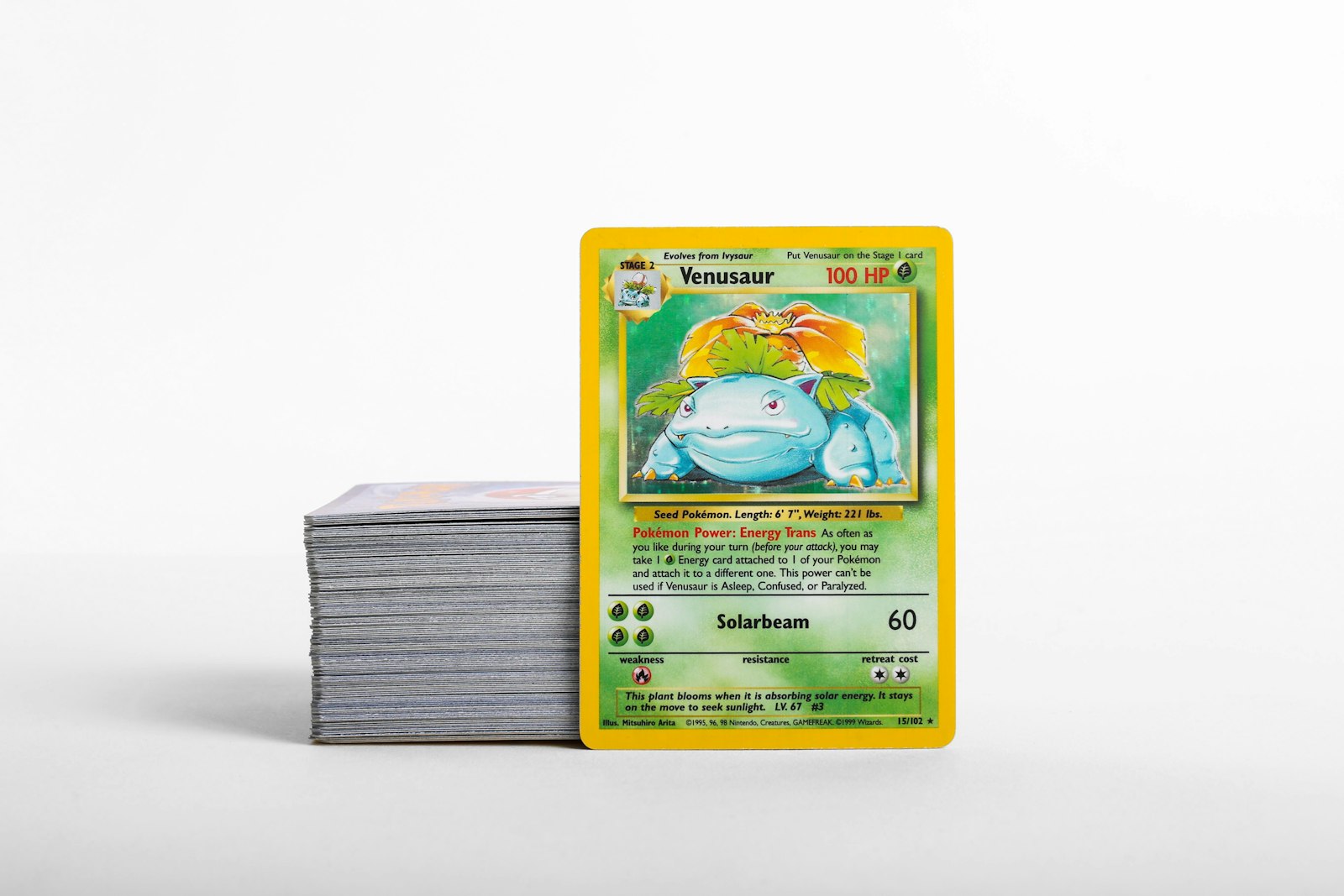
Every raw Pokemon card in your collection is in a constant battle against environmental wear, friction, and physical handling. For collectors, selecting the right storage is not just about aesthetics; it is about preservation. Storing a highly sensitive holographic card incorrectly can turn a pristine card into a damaged one over time, while over-protecting common cards can waste money and space.
To make smart storage decisions, you must evaluate the physical state of your cards. A card with minor edge wear requires different handling than a pristine, pack-fresh secret rare. By matching physical condition with the correct protective gear, you ensure your collection stays safe for the long haul.
Before diving into individual storage solutions, using a reliable pokemon card scanner can help you identify exactly which cards you have, making it easier to prioritize which ones need premium protection.
The Core Rule: Match Wear to Structural Support
The fundamental rule of Pokemon card preservation is simple: the more fragile or pristine a card is, the more structural support it requires. Physical wear usually manifests in two main areas: surface blemishes and edge/corner breakdown.
When a card is structurally sound but has delicate surface foiling, your primary goal is to prevent friction. When a card has already begun to soften at the corners or show edge chipping, your goal shifts to preventing further bending or splitting.
Before you choose a binder, a box, or a hard case, categorize your cards into three basic tiers:
- Pristine/High-Value Hits: Cards with zero visible wear that require maximum rigidity.
- Lightly Played Binder Favorites: Cards with minor silvering or corner softening that are perfect for display.
- Moderate to Heavily Played Cards: Cards with pre-existing wear that need basic containment to stop further degradation.
Edge and Corner Whitening: Binders vs. Rigid Cases
Edge wear, commonly known as whitening, occurs when the paper layers of the card split, exposing the white cardstock underneath the printed surface. If a card already has soft corners or minor whitening, inserting it into tight sleeves or rigid pages can actually worsen the split if handled roughly.
For cards with clean edges and sharp corners, a double-sleeving method paired with a side-loading binder offers excellent protection. The inner sleeve locks out dust, while the binder page provides a flat, stable surface.
However, if a card has moderate to severe whitening, a standard penny sleeve paired with a rigid toploader is often safer than a tight binder pocket. The loose fit of a penny sleeve prevents the fragile edges from catching on plastic seams during insertion, while the rigid toploader stops the card from flexing, which would otherwise widen the corner splits.
Surface Scratches and Foiling: When Perfect Fits Save the Day
Holographic surfaces are incredibly susceptible to micro-scratches. Even a tiny speck of dust trapped inside a plastic sleeve can act like sandpaper when the card shifts.
If you are storing clean holographic cards, perfect-fit sleeves are highly effective when used correctly. Because they fit snugly around the card, they eliminate the internal movement that causes micro-scratches.
- For Holographic Cards: Slide the card into a perfect-fit sleeve from the top down, then insert it into a standard deck sleeve or binder pocket from the bottom up. This creates a dust-proof seal.
- For Non-Holographic Cards: Standard penny sleeves are usually sufficient. Since there is no delicate foil layer to scratch, the slight movement inside a looser sleeve will not cause noticeable cosmetic damage.
If you are unsure of a card's current market standing or want to check its details before choosing a premium sleeve, running it through a pokemon card price checker can help you decide if it warrants a double-sleeve setup.
Binder Storage Decisions: When is a Card Safe on a Page?
Binders are the ultimate way to enjoy a collection, but not all binders are created equal. The physical condition of your cards should dictate how they are placed within a binder system.
To keep binder-stored cards safe, observe these guidelines:
- Avoid Ring Binders: Standard O-ring binders can pinch cards near the spine, causing deep creases known as "ring damage." Always opt for strap-closed, ringless binders with sewn-in pages.
- Side-Loading Pockets Only: Top-loading binder pages allow dust to fall directly onto the exposed top edge of the card. Side-loading pockets keep cards securely in place and block falling debris.
- Limit Card Stacking: Never slide more than one card into a single binder pocket. Forcing duplicates into one slot stretches the plastic, causes friction between the card surfaces, and can warp the cardstock.
If you have duplicates or cards with varying levels of wear, tracking them in a digital pokemon collection app allows you to keep your physical binder dedicated strictly to your best-conditioned copies while your extra cards sit safely in bulk storage.
Hard Shells and Toploaders: Shielding High-Value Hits
When a card is either highly valuable or in flawless condition, binders may not offer enough protection against physical impacts or pressure. This is where rigid, hard-shell storage formats become necessary.
Toploaders are the industry standard for a reason. They offer a great balance of rigidity and affordability. Always place the card in a soft penny sleeve before sliding it into a toploader; inserting a raw card directly into a rigid PVC toploader will scratch the surface instantly.
For the absolute crown jewels of your collection, magnetic one-touch cases offer a premium display option. However, these should only be used for cards that are completely flat. If a holographic card has begun to curl due to humidity, forcing it into a rigid, flat magnetic case can put uneven pressure on the corners, potentially denting the card. Ensure the card is flat and dry before sealing it inside a magnetic holder.
Creating a Protection Routine with Digital Tracking
Protecting your cards physically is only half the battle. A well-protected collection is much easier to manage when you have a clear record of where each card lives and what condition it is in.
As you sort your cards into sleeves, binders, and toploaders, establish a routine of cataloging them. Note the condition of the card during the process so you do not have to slide it out of its protective sleeve to check it again in the future. Minimizing physical handling is, after all, the best way to prevent wear.
PokeSnap makes this process seamless. By scanning your cards as you organize them, you can build a clean, searchable digital inventory. You will always know which cards are safely tucked away in your binders, which ones are protected in toploaders, and which ones are ready for your next trade—all without ever risking finger oils or corner dings on your physical cards again.