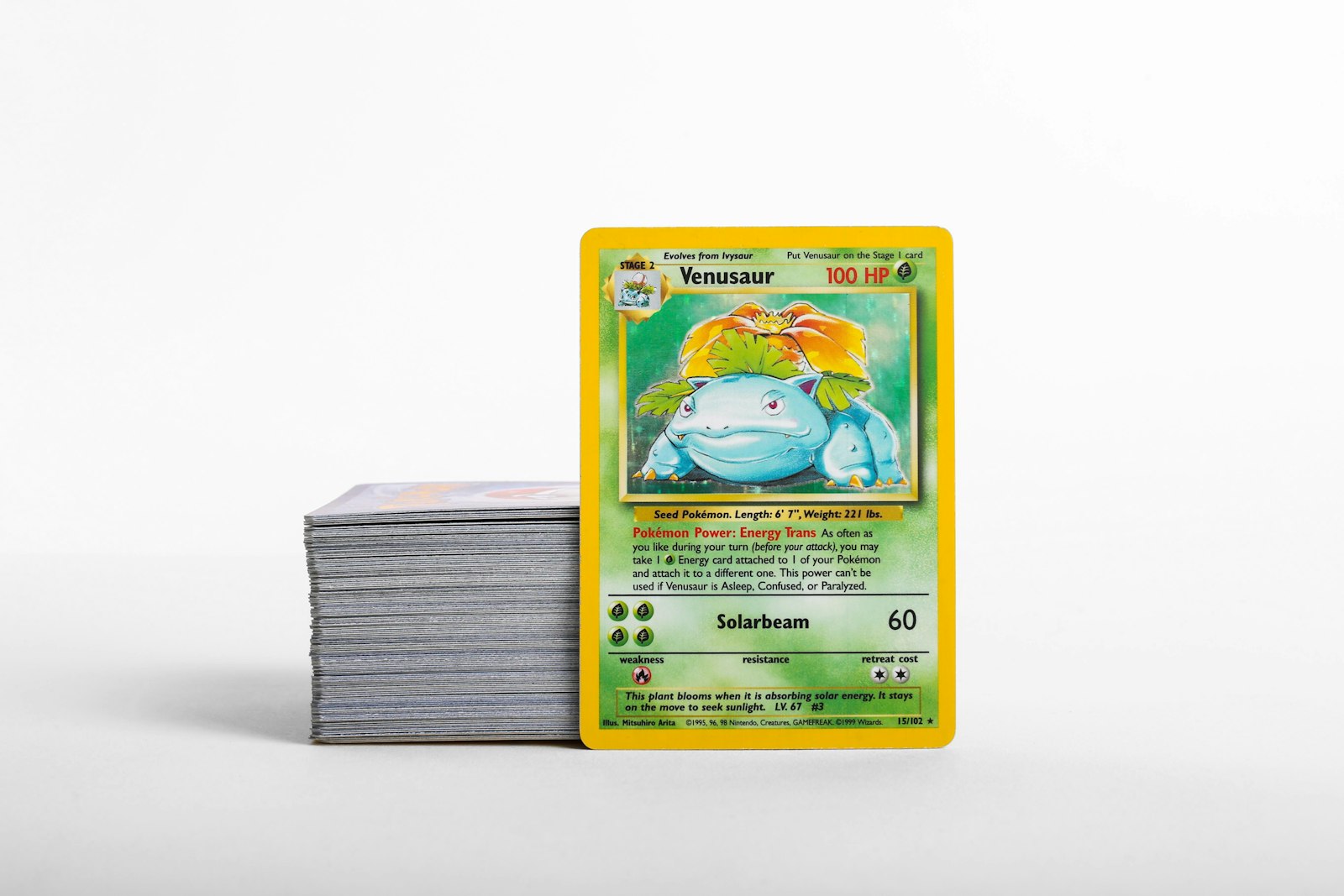
Every collector eventually faces the same dilemma: how do you protect a growing pile of raw cards without spending your entire hobby budget on plastic holders? It is tempting to put every shiny pull into a premium magnetic case, but doing so for low-value cards quickly drains resources that could be spent on adding new singles to your collection. Conversely, under-protecting a pristine vintage card can lead to irreversible wear and a massive drop in appeal.
To build a sustainable setup, you must learn to match physical card wear directly to specific protection tiers. By classifying card condition early, you can route each card to the exact sleeve, binder, or box it deserves.
Here is a practical, step-by-step framework for classifying raw Pokemon card condition and choosing the ideal storage setup for every card in your collection.
The Three-Tier Condition and Protection Framework
Before diving into individual card flaws, it helps to establish a general system that connects physical condition to storage gear. Not every card requires double sleeving, but every card does require a clean, dust-free environment. Use this basic breakdown to guide your initial sorting:
- Tier 1: Premium Protection (Near Mint to Mint)
- Target Cards: Secret rares, ultra rares, high-value holos, and grading candidates.
- Storage Setup: Inner sleeve (perfect fit) + standard deck sleeve + rigid toploader or magnetic case. Alternatively, store them in a high-quality, side-loading zipper binder.
- Tier 2: Standard Protection (Lightly Played to Clean Moderately Played)
- Target Cards: Mid-range holo rares, reverse holos, playable deck staples, and favorite binder fillers.
- Storage Setup: Standard penny sleeve + side-loading binder pocket. Double sleeving is generally unnecessary here, but a single clean sleeve is vital to prevent surface friction.
- Tier 3: Bulk Protection (Heavily Played, Damaged, or Low-Value Commons)
- Target Cards: Unsorted bulk, common/uncommon duplicates, and heavily worn cards.
- Storage Setup: Unsleeved or penny-sleeved in archival-safe, acid-free cardboard bulk boxes. Keep these boxes in a climate-controlled room away from direct sunlight.
Evaluating Edge and Corner Wear for Box vs. Binder Routing
Edges and corners are highly vulnerable to friction. When a card is slid in and out of tight plastic pockets or handled frequently, the paper layers can separate, leading to "whitening" along the borders and fraying at the corners.
To inspect edges and corners, place the card on a dark, flat surface under a bright, neutral light source. Look closely at the back of the card, where whitening is easiest to spot against the dark blue border.
If the edges are perfectly clean with zero white spots, the card is highly sensitive to friction. Storing a completely clean card in a loose, top-loading binder page without a sleeve can actually cause border wear over time as the card shifts. For these pristine edges, always use a snug inner sleeve before placing the card in a binder pocket.
If the card already shows moderate whitening or minor corner chipping (typical of Lightly Played cards), it no longer requires premium double-sleeving. A standard penny sleeve is sufficient to protect it from further wear while stored in a binder or a rowed cardboard box.
Spotting Surface Wear: Preventing Holo Scratches and Clouding
Surface wear is often harder to detect than edge wear, but it is just as damaging to a card's visual appeal. Foil cards are particularly prone to "clouding"—a haze of microscopic scratches caused by dust particles rubbing against the card surface.
To evaluate surface wear, tilt the card slowly under a direct light source. Look for:
- Fine hairline scratches: Often caused by sliding raw cards across a table or stacking them without sleeves.
- Clouding or loss of gloss: A sign of long-term exposure to dust, moisture, or friction inside low-quality plastic pages.
- Print lines or factory roller marks: Vertical or horizontal lines across the foil that occur during manufacturing.
For pristine, unclouded foil surfaces, double sleeving is the absolute gold standard. By inserting the card top-down into an inner sleeve, and then bottom-up into a standard deck sleeve, you create a dust-tight seal. This prevents micro-dust from slipping into the sleeve and scratching the foil face.
If a card already displays heavy surface scratching or clouding, double-sleeving will not restore its original shine, but a single penny sleeve is still necessary to block moisture and prevent the delicate foil layer from peeling at the edges.
Choosing Binders Based on Card Condition
Your choice of binder should always align with the condition of the cards inside. A poor-quality binder can turn a Near Mint card into a damaged one over a few months of storage.
Avoid cheap three-ring binders with exposed metal rings. When these binders are closed or stacked, the metal rings can press directly into the inner columns of card pages, leaving permanent semicircular indentations known as "ring dents." A ring dent instantly drops a card's condition category.
Instead, opt for ringless, side-loading binders featuring built-in pages and a zippered closure. Side-loading pockets prevent cards from sliding out of the top when the binder is carried or stored vertically. The soft, padded backing behind the pockets provides a gentle cushion that keeps both the front and back of your cards safe from friction.
When to Use Toploaders vs. Magnetic One-Touch Cases
Rigid plastic holders offer the best defense against bending, but they must be used correctly to avoid causing new damage.
Toploaders are excellent for high-value raw cards. However, you should never slide a raw card directly into a rigid toploader without a penny sleeve first. The hard plastic of a toploader can easily scratch raw cardboard and foil. Always place the card into a soft penny sleeve, ensuring the sleeve covers the entire card, before gently sliding it into the toploader.
Magnetic one-touch cases are popular for displaying prized singles, but they require caution. Because these cases are rigid, any movement inside can cause surface wear. To prevent this, many collectors place a perfect-fit sleeve on the card before placing it in the magnetic holder, or lay a small, clean piece of plastic over the card face to act as a buffer. If a card is already moderately worn, a standard toploader or a binder pocket is a far more practical and cost-effective home.
Syncing Your Physical Storage with a Digital Tracker
As you organize your collection into binders, boxes, and hard cases, keeping track of where each card lives can quickly become overwhelming. Without a clear system, you might find yourself flipping through dozens of binder pages just to locate a single card for a trade.
This is where integrating a digital pokemon collection app into your routine saves time. By maintaining a digital mirror of your physical storage, you can instantly see which cards are stored in your premium binders and which ones are kept in bulk boxes.
Before placing a card into its designated sleeve or case, use a fast pokemon card scanner to identify the exact set, number, and printing. Once scanned, you can use a pokemon card price checker to determine its current market standing. This step ensures you never accidentally relegate a valuable variant to a bulk box or waste a premium magnetic case on a common reprint.
Streamline Your Storage Decisions with PokeSnap
Classifying card condition and choosing the right storage setup does not have to be a guessing game. By establishing a clear physical-to-digital workflow, you can protect your favorite cards, keep your bulk organized, and ensure your hobby budget goes toward the cards you actually want.
With PokeSnap, organizing your collection is easier than ever. Simply scan your cards to instantly identify them, check their values, and log their condition. You can organize your digital library to match your physical binders and boxes, so you always know exactly where your best cards are stored.
Download PokeSnap today on iOS or Android to simplify your inventory, protect your cards, and take complete control of your collection!