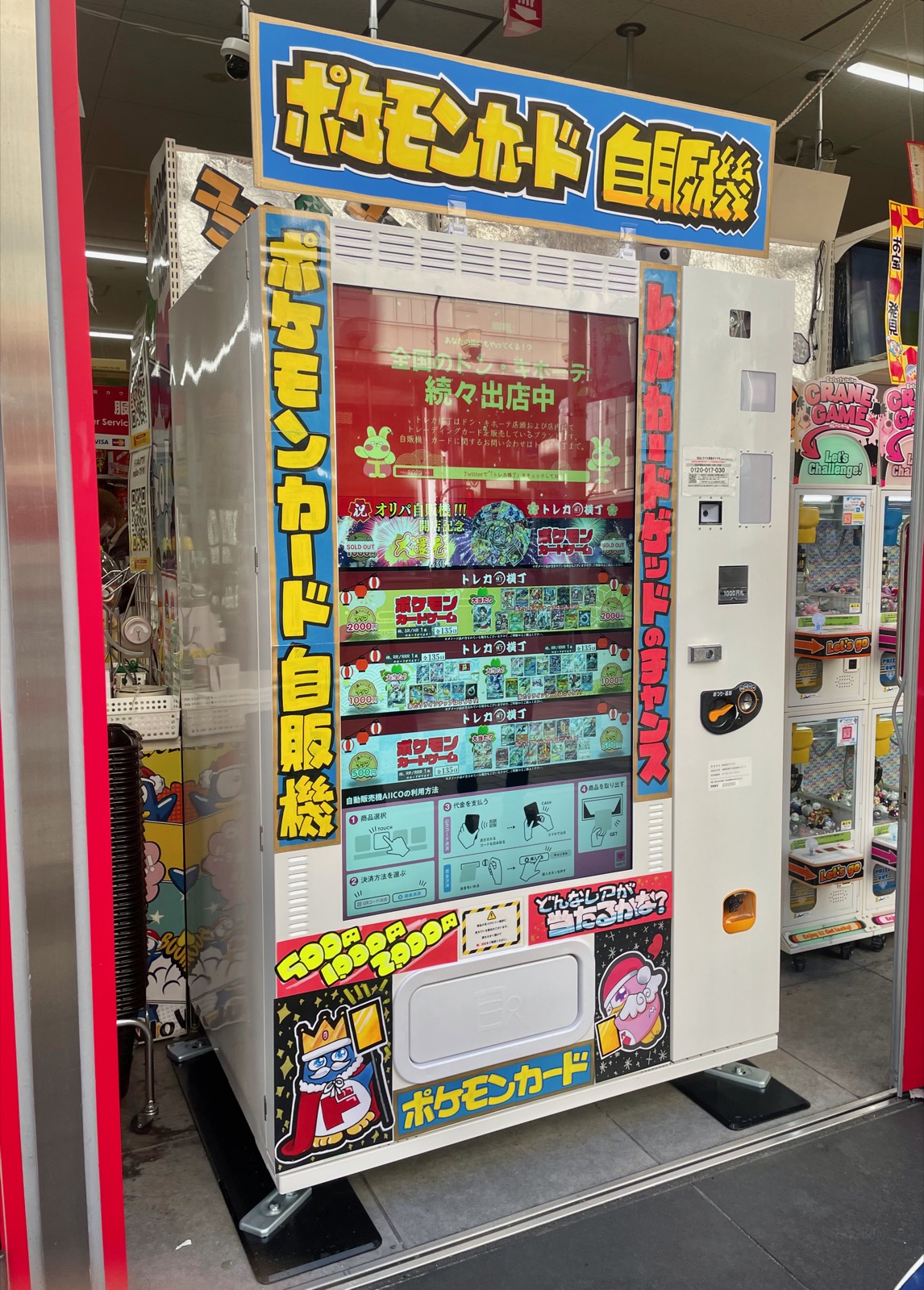
Collection lots look better in photos than they do in sorting sessions
Buying a Pokemon card collection can feel efficient because you get volume fast. The danger is that lots hide the exact problems you would never choose one by one: weak condition, repeated duplicates, random bulk, and vague pricing built around a few highlighted cards.
A good collection buy starts by slowing down before the pile becomes your problem.
Ask what is actually inside the lot
The right first question is not “what is the seller asking?” It is “what mix of cards is really here?” You want to know:
- which sets are represented
- whether there are notable singles or mostly bulk
- how much duplication is present
- whether language, promo, or condition issues change the value story
If the seller provides quick photos, use them to start identification rather than to jump straight to the emotional headline.
Identity and condition matter more than seller excitement
A lot becomes dangerous when the pricing conversation is built around famous Pokemon names instead of exact cards. A Charizard in the thumbnail does not tell you which printing it is, what condition it is in, or whether the rest of the lot is dead weight.
That is why it helps to confirm key cards with the Pokemon card scanner and compare them with the price checker before you assign the whole lot a number.
Duplicates can be a strength or a trap
Duplicates are not automatically bad. They can be excellent if you actively trade, sell, or build inventory. They become a trap when you pay near-single prices for stacks of cards you already own or cannot move easily. If the lot is duplicate-heavy, compare it against how to track Pokemon card duplicates before you decide it is a bargain.
The question is simple: will these extras become useful stock, or are they just going to sit in another box?
Buy the lot for the real exit paths you have
Collectors usually have only a few real exit paths:
- keep the best cards
- trade the extras
- sell some singles
- absorb the rest as bulk
If the lot only works financially under a perfect resale scenario you will never execute, it is not a good buy. It is a fantasy spreadsheet.
Log the lot fast after purchase
Collection lots create inventory chaos when they are not processed quickly. The easiest fix is to identify, sort, and log the incoming cards right away inside your collection app. That way you can see which cards filled real gaps, which cards became duplicates, and which cards should move into trade or sale lanes.
The simple rule
To buy Pokemon card collections well, judge the lot by exact card identity, honest condition, duplicate usefulness, and realistic exit paths instead of by excitement or one featured card. A good lot helps your collection move forward. A bad lot only makes your sorting pile bigger.
If you want the next step after the purchase to be cleaner, pair this with how to check which Pokemon cards you are missing and what to do with bulk Pokemon cards.