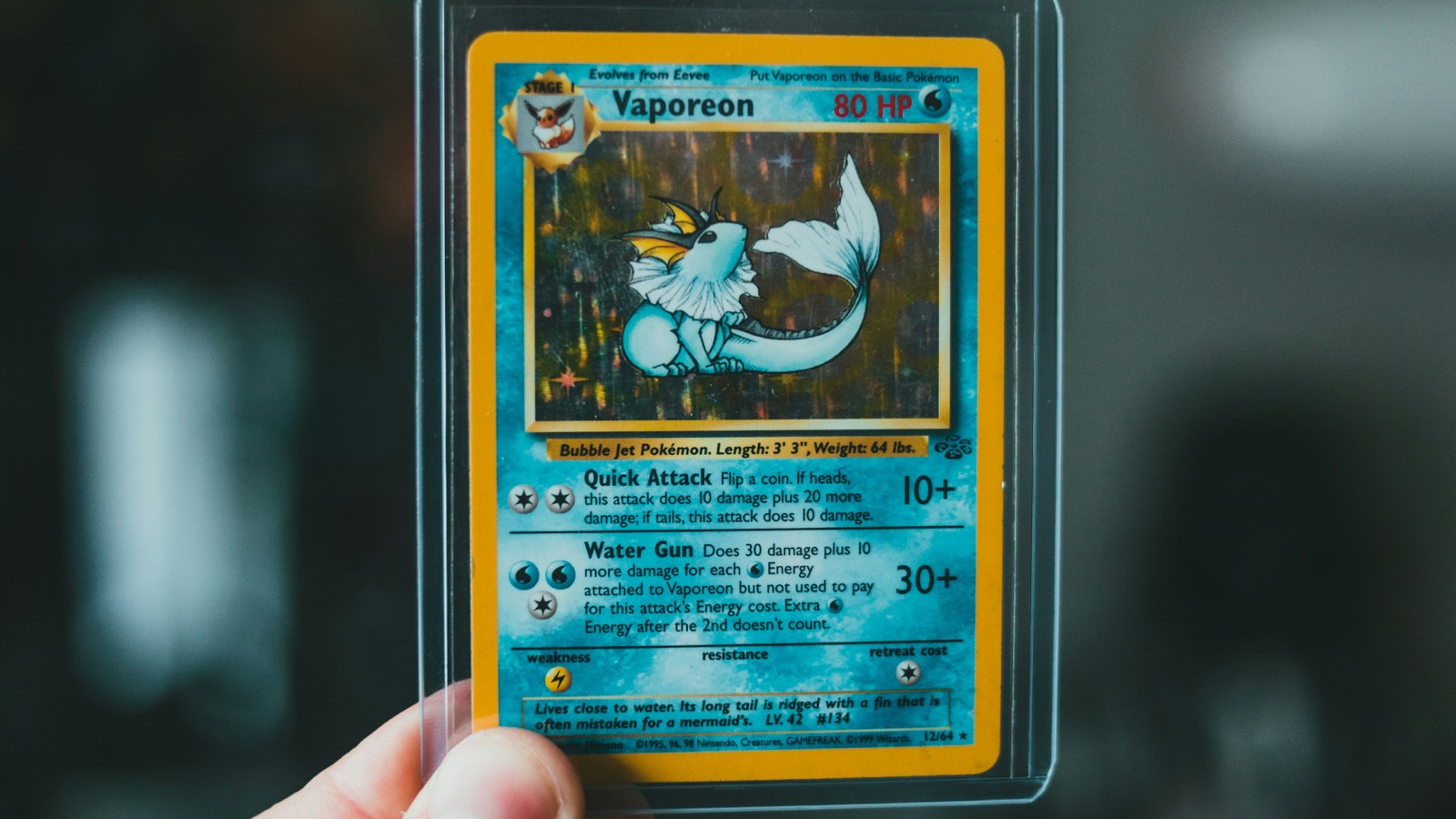
Every collector knows the scenario: after opening packs, returning from a local trade night, or unboxing a fresh shipment of singles, raw cards tend to sit in loose stacks on the desk. Without a structured physical staging station, these unsorted cards are exposed to accidental spills, edge friction, thumb prints, and corner bends before they ever reach a binder or hard case.
Building a dedicated staging station gives your cards a protected, standardized environment while you evaluate surface flaws, determine condition tiers, and choose the right protective gear. By combining safe physical handling routines with smart digital cataloging, you can prevent wear and keep your collection fully accounted for from day one.
Why Raw Cards Are Most Vulnerable Before Final Storage
The brief window between receiving a raw card and placing it in permanent storage is when most non-grading physical damage occurs. When cards lie flat on a hard wooden or composite desk, sliding them across the table creates micro-scratches on delicate reverse-foil and full-art finishes.
Stacking unsleeved cards creates additional friction. Dust particles trapped between surfaces act like sandpaper under slight pressure. Furthermore, picking up cards repeatedly without penny sleeves transfers oils and sweat from skin onto paper stock, leading to persistent surface smudges. A dedicated staging area isolates cards from these exact hazards until you decide whether they belong in a binder page, a top loader, or a storage box.
Core Equipment for a Safe Card Staging Station
Setting up an efficient intake desk does not require expensive industrial gear, but it does demand materials specifically designed for card handling:
- Microfiber Desk Mat: A soft, clean felt or neoprene mat provides a cushioned surface that stops cards from sliding or scraping against hard table edges.
- Archival Penny Sleeves: Keep a fresh pack of standard clear polypropylene penny sleeves within arm's reach so raw hits are sleeved the second they touch the table.
- Divided Sorting Trays: Slanted compartment trays allow cards to stand upright at an angle, preventing vertical weight pressure and sliding.
- Soft Cloths or Cotton Gloves: Useful for inspecting vintage or high-value cards without leaving skin oils on glossy surfaces.
- Neutral LED Lighting: Clear illumination helps you inspect corners, surface scratches, and edge whitening without high-heat bulbs warping card stock.
Segmenting Staged Cards by Flaw Level and Storage Tier
Once your workstation is ready, establish clear intake bins based on physical condition and protection requirements. Rather than sorting purely by set or rarity right away, separate cards by the level of storage protection they require:
1. High-Value and Clean Candidates
Cards with crisp corners, sharp edges, and zero surface scratches go directly into a fresh penny sleeve and semi-rigid holder or top loader. These are your prime trade pieces or candidates for long-term protection. Keeping them separated prevents accidental handling while you complete your inventory updates.
2. Binder-Bound Near Mint Singles
Cards intended for display binders should be sleeved immediately in clear penny sleeves. Grouping them in a dedicated staging slot prevents them from mixing with loose bulk or sliding around while you prepare your binder pages.
3. Played or Lightly Damaged Cards
Cards showing minor edge whitening, micro-creases, or foil scratches should be isolated from clean copies. Placing damaged cards next to pristine foil surfaces can transfer dirt or cause friction marks if stacked together.
Digitizing Staging Inventory Before Final Archiving
A common mistake collectors make is placing staged cards directly into binders or box slots before recording them in their digital catalog. Once a card disappears into a deep storage box or a 360-pocket binder, tracking set gaps or verifying purchase history becomes significantly harder.
Using a fast mobile tool like a Pokemon card scanner while cards are in the staging station eliminates manual data entry. Scanning raw cards on your padded desk mat allows you to capture set details, card numbers, and variant types in seconds.
Once scanned into your Pokemon collection app, you can assign tags or location notes—such as "Staging Tray A" or "Pending Binder 3"—so your digital ledger mirrors your physical intake setup perfectly.
Protecting Cards Against Environmental Exposure During Staging
Cards sitting in staging trays for a few days can still suffer from ambient room hazards if ignored:
- Direct Sunlight and UV Exposure: Sunbeams moving across a desk throughout the day can fade vibrant inks on raw cards over time. Position your staging desk away from unshaded windows.
- Humidity and Foil Curl: Ambient moisture causes foil layers to expand at a different rate than underlying paperboard, resulting in curved cards. Keep a humidity monitor near your desk and store staged cards in a room maintained at stable humidity levels.
- Airborne Dust and Pet Dander: Open staging trays accumulate floating particles over time. Use a clean cover or acrylic lid over your staging trays whenever you step away from your desk.
Routing Staged Singles to Binders, Toploaders, or Boxes
A staging station is meant to be a temporary buffer, not a permanent dumping ground. Establish a routine to clear your staging trays regularly:
- Cross-check values and set completion: Use a reliable Pokemon card price checker to confirm market context before deciding whether a card stays in a top loader or moves to a trade binder.
- File Japanese and variant prints: If you collect international releases, use specialized tools to scan Japanese Pokemon cards to ensure set numbers and rarity symbols match the correct expansion folder.
- Insert into archival pages: Move binder-bound cards into side-loading, acid-free binder pages, ensuring each card remains safely inside its penny sleeve.
- Box low-value duplicates: Transport remaining bulk and lower-tier duplicates into heavy-duty storage boxes labeled with set names and intake dates.
By maintaining this structured pipeline, you prevent backlogs from taking over your workspace while ensuring every single card receives the exact level of physical protection it deserves.
Streamline Your Collection Intake with PokeSnap
Protecting raw cards physically is only half the battle—keeping your digital records just as clean is what keeps collecting enjoyable. PokeSnap turns your smartphone into a high-speed scanner that identifies cards instantly, tracks condition context, and syncs new additions straight into your collection manager. Download PokeSnap today to keep your intake desk organized, eliminate cataloging backlogs, and protect your cards from the moment they hit your desk.