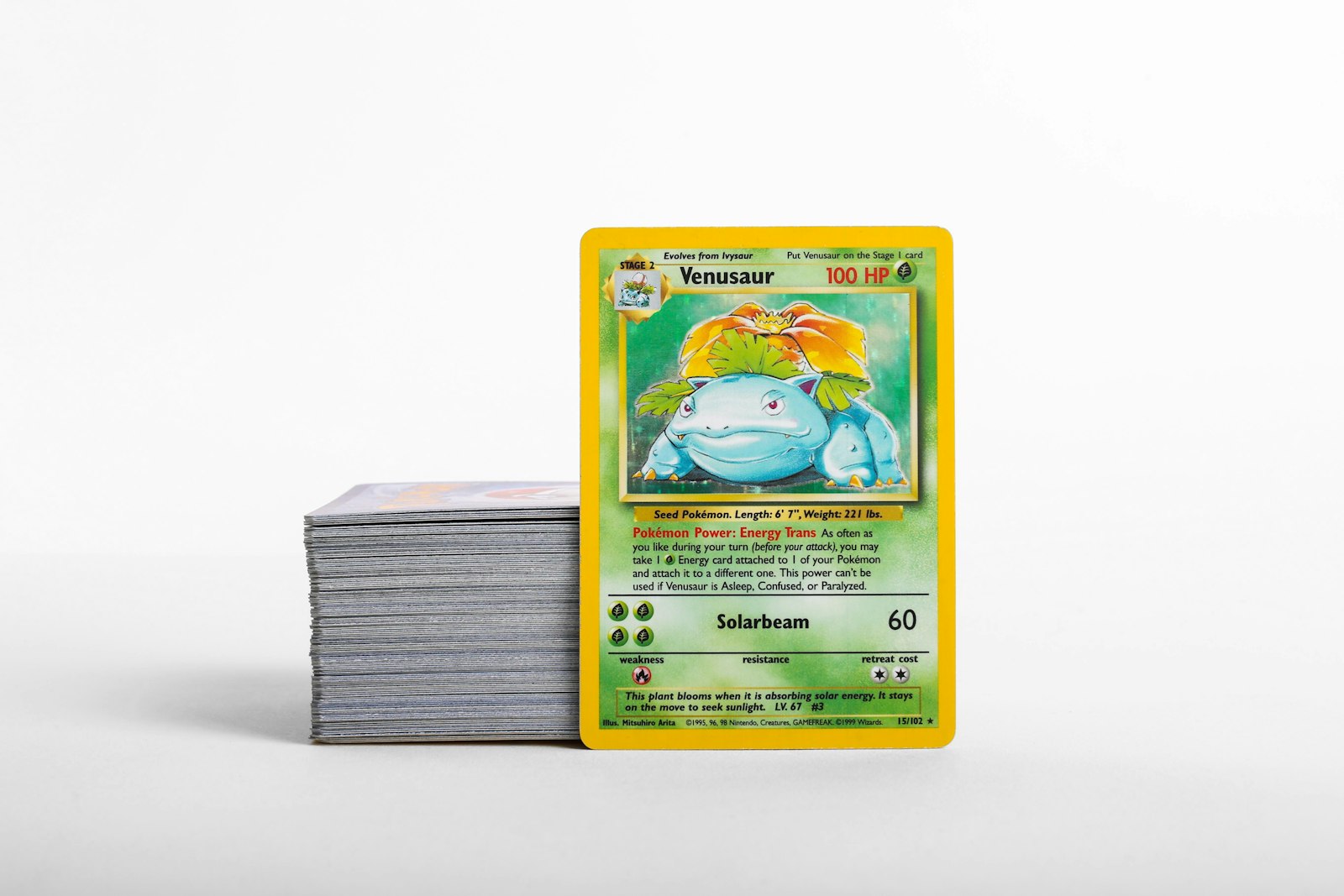
How to Build a Pokemon Card Storage System Based on Condition and Value
Every Pokemon card in your collection requires a storage setup that matches both its physical condition and market value. Storing a high-value ultra rare loose in a cardboard bulk box leads to tragic edge whitening, while putting common bulk into expensive magnetic hard cases wastes your supplies budget.
By building a structured, condition-based protection system, you keep your best hits safe while keeping your physical setup organized and easy to browse. Here is how active collectors match raw condition flaws to the right sleeves, binders, and top loaders.
1. Inspect Cards Before Selecting Storage
Before deciding how to store a card, perform a quick four-point physical check. Looking closely at raw wear helps you route cards to the correct protective gear immediately after opening packs or returning from trades:
- Edges and Corners: Check for tiny flecks of white paper showing along the back borders (whitening) or soft, crushed corner tips.
- Surface Texture and Foil: Look under direct light for faint scratches, print lines, holo smudges, or silvering along the front border.
- Structural Integrity: Check for minor indents, micro-creases, pinches from aggressive binder pages, or foil warping.
- Centering: Note if the borders are visibly offset, which helps separate binder copies from potential grading candidates.
Catching minor flaws early prevents you from housing compromised cards alongside pristine singles or spending top-dollar sleeves on played copies.
2. Match Raw Condition to Storage Tiers
Once you know the condition of your cards, segment them into clear protection tiers. A three-tier storage model balances safety, accessibility, and supply costs.
Tier 1: Standard Bulk and Binder Cards (Light Play to Near Mint Commons)
Cards meant for deck building, master set completion binders, or trade bulk do not need heavy rigid protection.
- Sleeves: Archival-safe polypropylene penny sleeves.
- Storage: Side-loading binder pages (acid-free, PVC-free) or sturdy corrugated cardboard storage boxes organized by set.
Tier 2: Mid-Range Hits and Favorite Binder Copies
Illustration rares, secret rares, and near mint vintage holos deserve enhanced friction defense.
- Sleeves: Quality fit sleeves or standard matte back sleeves combined with side-loading binder pages.
- Storage: Ringless 9-pocket or 12-pocket binders with zipper closures to prevent dust accumulation.
Tier 3: High-Value Singles and Grading Candidates
Top-tier chase cards, expensive vintage singles, and gem mint candidates demand maximum defense against flex and impact.
- Sleeves: Soft archival penny sleeves inserted top-down.
- Storage: Semi-rigid holders or 35pt rigid top loaders. Store these vertically in dedicated top loader storage boxes to prevent pressure stacking.
If you trade or collect international sets, make sure to use a specialized tool to scan Japanese Pokemon cards to identify set numbers and variations correctly before deciding on storage routing.
3. Prevent Environmental Wear: Temperature, Humidity, and Light
Physical sleeves and boxes only protect against handling. Environmental factors can quietly ruin raw Pokemon cards even inside top loaders:
- Humidity Control: High humidity causes holo foil to warp into an upward curl, while extreme dryness can make vintage cardboard brittle. Keep storage areas between 45% and 55% relative humidity using desiccant packs in sealed storage bins.
- Temperature Stability: Store your binders and boxes in climate-controlled rooms. Avoid attics, basements, or exterior walls where temperature swings lead to moisture condensation inside plastic sleeves.
- UV Light Exposure: Direct sunlight and fluorescent lighting fade vibrant card inks quickly. If you display cards, choose UV-protected display cases or keep your primary collection in dark storage boxes and closed binders.
4. Avoid Common Storage Gear Mistakes
Using the wrong gear can create fresh damage on raw cards. Steer clear of these common pitfalls:
- PVC Binder Pages: Older vinyl pages release gas over time, leaving a sticky haze that permanently damages foil surfaces. Always verify that binder pages are labeled "PVC-free" and "acid-free."
- Ring Binders with Loose Pages: Traditional D-ring or O-ring binders can pinch cards near the spine when pages flop over. Switch to ringless side-loading binders.
- Oversized Top Loaders: Slipping a card into an oversized hard case without a penny sleeve allows the surface to slide against hard plastic, creating micro-scratches.
5. Keep Physical Binders and Digital Catalogs in Sync
A great storage system only works if you can quickly find cards when checking trade values or reviewing set progress. Whenever you sleeve, top load, or file new cards into boxes, update your digital records immediately.
Using a fast Pokemon card scanner allows you to capture fresh pulls in seconds before they go into storage. Once scanned, you can run a quick check with a Pokemon card price checker to decide whether a single belongs in a standard set binder or requires top loader protection.
Managing your inventory through a dedicated Pokemon collection app helps you maintain accurate condition notes, record duplicate counts, and track exact storage locations without flipping through dozens of physical binder pages.
Organize Your Collection Effortlessly with PokeSnap
Building a smart protection strategy keeps your Pokemon cards safe, organized, and ready for trade or display. With PokeSnap, cataloging your physical inventory takes just seconds. Scan your cards with your phone camera, identify set variants instantly, track real-time condition values, and know exactly which cards are housed in your binders, top loaders, or bulk boxes.
Download PokeSnap today on iOS or Android to keep your card inventory accurate, protected, and fully organized.