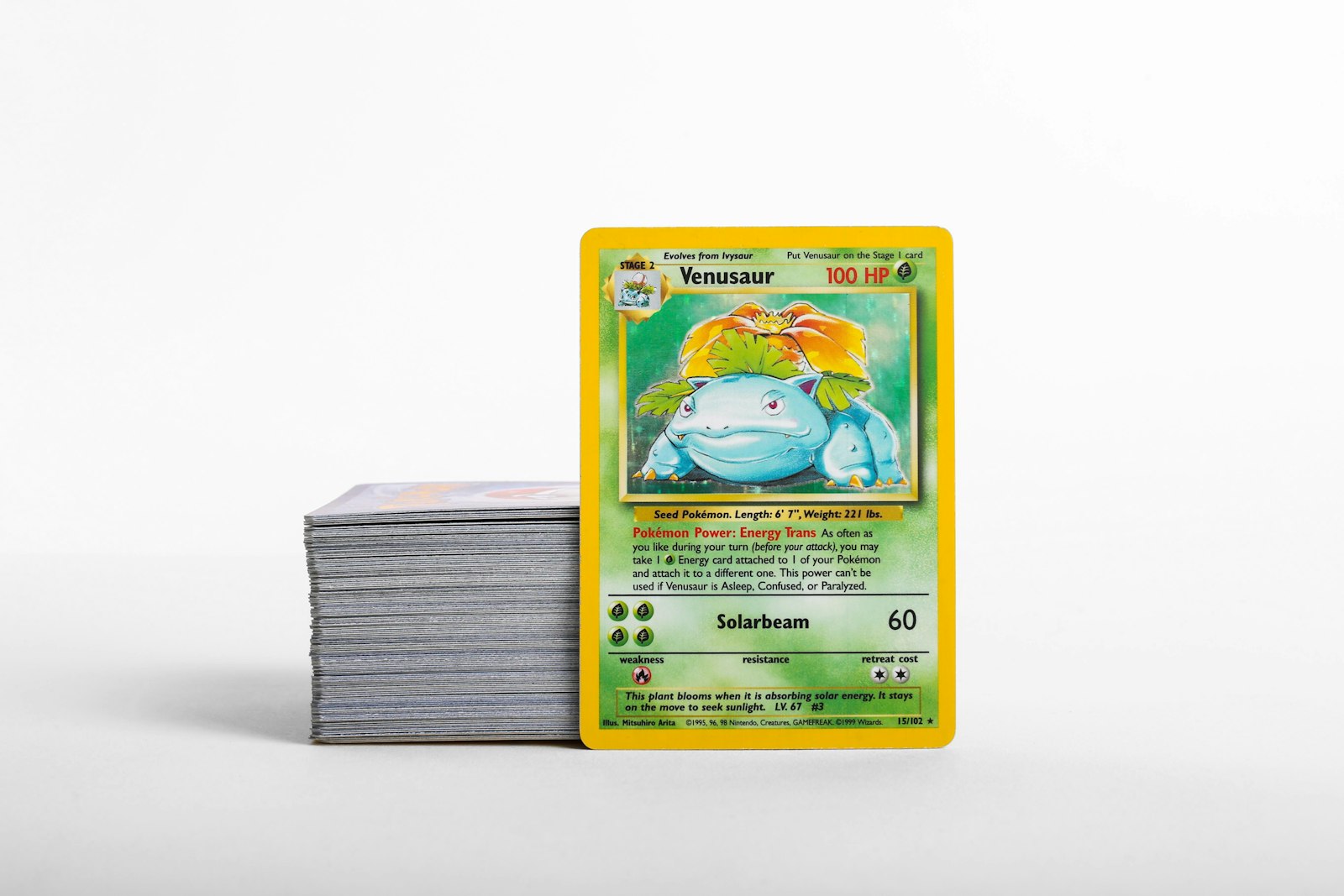
Every collector faces a moment when their stacks of cards outgrow their initial storage. Simply throwing raw cards into whatever binder or cardboard box is nearby can quietly ruin their condition over time. To preserve the physical integrity of your cards, you need a systematic way to audit your protection setup.
By matching the physical state of your cards to the right protective gear, you prevent avoidable wear like edge chipping, surface scratches, and warping. This guide outlines how to evaluate your current storage, identify weak points, and select the safest binders, sleeves, and boxes based on true card condition.
Why Your Protection Setup Needs a Regular Audit
Many collectors assume that once a card is placed in a sleeve, it is safe forever. However, protective materials degrade, dust accumulates, and environmental factors like humidity can cause cards to warp inside their holders. A protection audit is a structured review of your storage methods to ensure your cards are not actively losing condition while sitting on your shelves.
Without an audit, minor issues can turn into permanent damage. Acidic plastics can yellow, tight binder pockets can bend corners, and overloaded boxes can pinch edges. Regularly inspecting your setup allows you to catch these hazards early, swap out failing materials, and upgrade protection for cards that have risen in value or require more delicate care.
Assess Card Condition Before Choosing Your Protection
Before you buy more plastic, you must understand exactly what you are trying to protect. Not every card requires a heavy-duty magnetic holder, but highly valuable cards should never be left in loose piles.
Using a high-quality Pokemon card scanner makes identifying your cards and assessing their basic details simple. Once you have scanned your cards, use a reliable Pokemon card price checker to understand their general market placement. This helps you categorize your cards into tiers:
- High-Value Hits: Cards in Near Mint (NM) or Mint condition that require maximum defense against dust, moisture, and physical pressure.
- Mid-Tier Binder Cards: Clean cards used for set completion or trade binders that need to remain visible but protected from frequent handling.
- Bulk and Playables: Common cards and deck staples that require organized, space-efficient storage rather than individual premium holders.
Keeping your inventory organized in a comprehensive Pokemon collection app ensures you always know which cards are stored where and which ones deserve a protection upgrade.
Sleeving Strategies Based on True Card Condition
Sleeves are your collection's first line of defense. However, using the wrong sleeve type can sometimes cause more harm than good. Match your sleeving strategy directly to the card's current condition and your storage goals:
- Perfect-Fit Sleeves: Best for clean, flat cards in Near Mint condition. They fit snugly around the card, making them excellent for double-sleeving. However, if a card is already warped or has soft corners, forcing it into a tight perfect-fit sleeve can worsen the damage.
- Penny Sleeves: The gold standard for general protection. They are loose enough to prevent corner catching during insertion, making them ideal for Moderately Played (MP) to Lightly Played (LP) cards, as well as bulk holos.
- Standard Deck Protector Sleeves: These offer rigid edges and textured backs. They are perfect for raw cards destined for binders, as they provide structural support and prevent the card from sliding around inside binder pockets.
For your most valuable raw cards, double-sleeving (inserting a perfect-fit sleeve from the top, then sliding it into a standard sleeve from the bottom) creates an airtight seal that shields the card surface from dust and moisture.
Selecting Binders That Safeguard Your Raw Cards
Binders are excellent for displaying your collection, but poor binder choices can ruin pristine cards. When auditing your binder setup, look for these key safety features:
- Avoid Ring Binders: Standard three-ring binders are a major hazard. The metal rings can pinch cards near the spine, causing "ring dents" that permanently destroy a card's condition. If you must use a ring binder, ensure it uses D-rings rather than O-rings, and never overfill it.
- Choose Strap or Zipper Closures: Binders with zippers or high-tension elastic bands keep dust out and prevent pages from sagging when stored vertically.
- Insist on Side-Loading Pockets: Top-loading binder pages allow cards to slide out easily if the binder is turned upside down. Side-loading pockets hold cards securely in place and reduce exposure to open air.
- Use Acid-Free, PVC-Free Pages: PVC plastic releases harmful vapors over time that can cause card surfaces to become sticky or faded. Always verify that your binder pages are archival-safe.
Long-Term Storage Boxes for Bulk and Raw Hits
When cards are not in binders, they are typically stored in boxes. The way you pack and stack these boxes directly impacts the condition of the cards inside:
- Cardboard Storage Boxes: Standard white corrugated cardboard boxes are highly effective for bulk and sorted sets. However, they are susceptible to moisture. Always store cardboard boxes off the floor in dry, temperature-controlled rooms.
- Acrobatics and Pressure: Never pack cards too tightly into a box. If you have to force a card down, you risk bending the edges of the surrounding cards. Use foam inserts or plastic dividers to fill empty space so cards do not tip over and warp.
- Top Loader Boxes: If you store your hits in top loaders, use dedicated plastic or extra-wide cardboard boxes designed to accommodate the wider dimensions of plastic shells. Regular bulk boxes will pinch and bend the edges of top loaders.
Environmental Control and Storage Placement
Even the best sleeves and boxes cannot protect cards from a hostile environment. Temperature and humidity are silent threats to paper and foil collectibles:
- Manage Humidity: High humidity causes the cardboard layers of a card to expand, while the plastic foil layer on holographic cards remains rigid. This difference in expansion causes the card to bend, creating a "foil curl." Keep your storage area between 40% and 50% relative humidity.
- Avoid Temperature Extremes: Do not store your collection in uninsulated attics, damp basements, or garages. Extreme heat can soften plastics and cause sleeves to stick to card surfaces.
- Shield from UV Light: Never display raw cards in direct sunlight or under harsh fluorescent lights. UV rays fade ink quickly, turning vibrant artwork dull and washed-out.
Your Step-by-Step Protection Audit Checklist
To keep your collection in top shape, run through this quick checklist once or twice a year:
- [ ] Inspect high-value cards: Are they still sitting in basic penny sleeves? Upgrade them to double-sleeved setups or top loaders.
- [ ] Check binder pockets: Are any pockets stretched out, allowing cards to slip? Replace worn binder pages immediately.
- [ ] Look for sleeve clouding: Are older sleeves looking foggy or scratched? Swap them out for fresh, clear sleeves to restore visibility and protect the surface.
- [ ] Assess box pressure: Are your storage boxes overfilled or sagging? Distribute the weight to prevent warping.
- [ ] Verify environmental conditions: Is your storage room dry, cool, and away from direct sunlight?
By staying proactive, you can ensure that your collection remains in the exact condition you recorded. For more tips on managing, sorting, and preserving your cards, check out our blog.
Streamline Your Collection Management with PokeSnap
Auditing your storage is much easier when you know exactly what you own. With PokeSnap, you can scan your cards in seconds to identify their set, check their general market value, and track your entire collection in one clean digital inventory.
By keeping an accurate digital record, you can easily prioritize which cards deserve premium protection and which ones can safely stay in your bulk boxes. Download PokeSnap today to simplify your storage planning and keep your collection organized and protected.