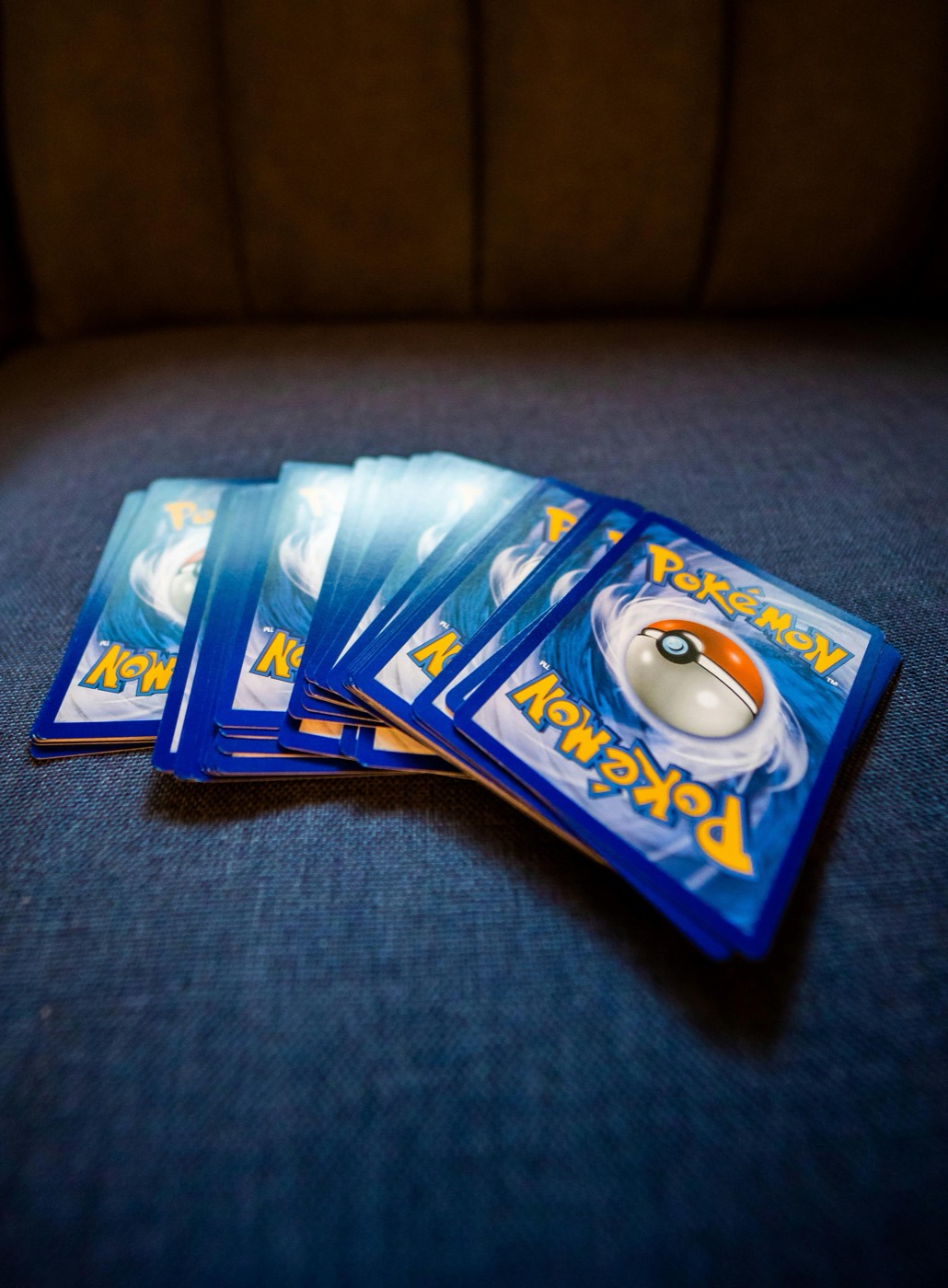
Why Every Growing Pokemon Collection Needs a Sorting Pipeline
When raw Pokemon cards pile up on desks, nightstands, or storage containers, finding specific cards becomes a headache and condition hazards rise. Unsorted piles lead to duplicate purchases, forgotten hits, and scuffed edges caused by repeated handling.
A four-tier sorting pipeline creates a clear, repeatable process that moves every card from intake to its final physical storage location while building an accurate digital inventory along the way. Instead of trying to catalog, sleeve, and binder an entire haul all at once, this workflow breaks the job into fast, logical steps that prevent backlogs from forming.
Tier 1: The Intake Tray and Damage Inspection
The intake phase is designed to stop raw cards from mixing into your main collection before they are evaluated and cataloged. Set up a dedicated intake tray on your desk where all new acquisitions rest—whether from fresh pack openings, local trade meets, or online orders.
Before scanning or sleeving, run each card through a quick physical inspection:
- Corner and edge wear: Check for whitening, silvering, or subtle denting along the borders.
- Foil surface scratches: Angle holos under a direct light source to spot faint hairline scratches.
- Structure integrity: Confirm the card is completely flat and free of subtle creases or binder-ring pinches.
Separating pristine hits from minor play-wear cards immediately ensures that high-value cards get premium protection right away, while played bulk can move directly into bulk storage workflows.
Tier 2: Digital Cataloging with a Pokemon Card Scanner
Once cards pass basic physical inspection, the next step is logging them into your digital inventory before they disappear into binders or boxes. Relying on manual entry or paper spreadsheets quickly creates friction, leading to abandoned collection records.
Using a fast Pokemon card scanner lets you capture complete card metadata—including set names, set numbers, and foil variations—in seconds. Opening your mobile camera to identify cards in batches keeps physical sorting aligned with your digital catalog.
When cataloging mixed language pickups, smart tools enable you to scan Japanese Pokemon cards without having to manually translate card names or decipher non-English set symbols. Capturing these details instantly into a Pokemon collection app ensures your digital database reflects exact card quantities, avoiding accidental duplicate buys when shopping at local card shows or browsing online listings.
Tier 3: Protective Sleeving and Folder Allocation
With cards digitized, physical protection takes center stage. Not every card requires identical storage; matching the protective gear to card rarity and condition preserves both condition and hobby budget.
Follow this standard protection hierarchy for Tier 3 routing:
- Ultra-Rares and High-Value Hits: Double-sleeve using a precise inner sleeve and a standard outer sleeve, then place into a side-loading ringless binder.
- Regular Holos and Reverse Holos: Single-sleeve in penny sleeves before filing into set-specific binders or storage pages.
- Uncommon and Common Bulk: Group by set number and store un-sleeved in archival card storage boxes fitted with rigid dividers.
When putting together set binders, leave intentional blank slots for missing chase cards so you never have to shift dozens of cards over when a missing single arrives.
Tier 4: Bulk Archival and Trade Binder Maintenance
The final tier handles the cards that do not belong in your main master set binders: extra hits, trade duplicates, and playable game staples. Keeping these organized prevents storage boxes from becoming mystery piles.
Organize your Tier 4 storage using a simple box-and-binder split:
- The Trade Binder: Place duplicate ultra-rares, popular holos, and meta-relevant playable cards here. Check values using a reliable Pokemon card price checker before placing cards in trade binders to organize them cleanly by value tier.
- The Playable Staples Box: Keep play-legal Trainer cards, special energy, and versatile Pokemon indexed by card name for quick deck-building access.
- The Storage Archival Box: File standard bulk sequentially by set release and set number using clear divider cards.
Establishing a Weekly Collection Reset Routine
Even the best four-tier pipeline falls apart without consistent maintenance. Schedule a 15-minute weekly reset routine to keep your collection perfectly organized:
- Clear the Intake Tray: Process any remaining cards left over from weekly pack openings or mail deliveries.
- Sync Digital Records: Verify that all recently added binder cards reflect their correct binder location in your app inventory.
- Rebalance Binders: Move upgraded copies into your main binders and shift replaced lower-condition cards down into trade binders or bulk boxes.
This short, regular habit eliminates weekend cataloging marathons and keeps your collection clean, safe, and ready to enjoy.
Keep Your Collection Organized with PokeSnap
Building a clean four-tier pipeline makes organizing your Pokemon collection straightforward and rewarding. PokeSnap simplifies every stage of your inventory workflow with high-speed camera scanning, automatic set identification, real-time collection tracking, and Japanese card support. Download PokeSnap on iOS or Android today to digitize your cards instantly and take full control of your collection.