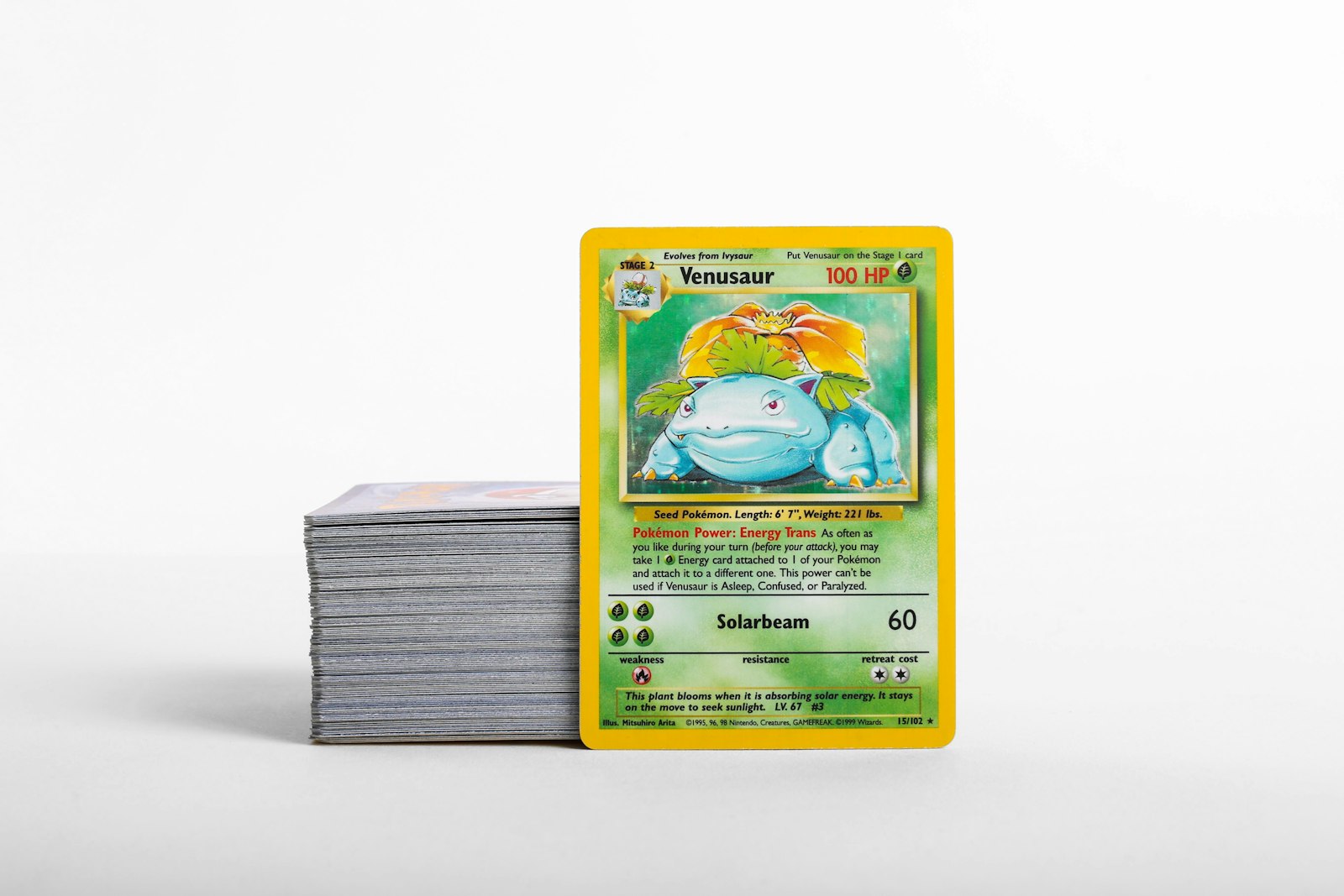
How to Build a Condition-Based Storage Routine for Raw Pokemon Cards
Protecting raw Pokemon cards is one of the most practical habits a collector can build. Storing every hit in a basic binder page works when you first start, but as your binder expands, uniform storage stops making sense. A Near Mint secret rare demands a different protection workflow than a Moderately Played vintage holofoil or a stack of low-value bulk.
Matching storage gear to specific card flaws, surface sensitivities, and long-term storage goals keeps your collection organized and prevents avoidable wear. Building a condition-based storage routine allows you to choose sleeves, hard cases, and binders with confidence.
Why Raw Card Protection Depends on Real-World Wear Tiers
Not all raw cards face the same physical risks. High-grade modern hits are vulnerable to micro-abrasions, fingerprint oils, and foil clouding. Older cards with light corner whitening or minor edge fuzzing require physical support to ensure small flaws do not escalate into creases or back scratches.
Grouping cards into storage tiers helps you spend your budget efficiently. Instead of putting penny sleeves on high-end hits or using expensive magnetic holders on low-value duplicates, a tier-based system allocates protective supplies where they provide the greatest benefit.
- Tier 1 (High Sensitivity / Near Mint): Requires immediate dust-free double-sleeving, rigid external protection, or archably safe side-loading binder slots.
- Tier 2 (Moderate Wear / Binder Candidates): Needs clean single or double sleeves designed to prevent surface friction inside multi-page binders.
- Tier 3 (Heavy Wear / Played Copies): Requires structural stability to prevent existing edge splits or surface bends from worsening during routine browsing.
Identifying Card Flaws Before Choosing Protective Supplies
Before placing any raw card into long-term storage, inspect its surface, edges, corners, and overall flatness under direct lighting.
1. Edge Whitening and Corner Softening
Whitening occurs when the paper layers beneath the printed border become exposed. If you slide a card with soft corners into a tight sleeve or narrow top-loader pocket improperly, the corner can catch and fold back. Always widen sleeve openings slightly before inserting cards with edge wear.
2. Holofoil Scratches and Clouding
Holofoil surfaces are softer than standard card stock. Dust, grit, or dried moisture trapped inside a sleeve acts like fine sandpaper when cards shift. Inspect raw holos for surface grit before sleeving.
3. Holofoil Warping and Foil Curl
Foil layers expand and contract at different rates than the paper backings under changing humidity levels. Bending raw cards back by hand risks creasing the surface layer. Gentle flat compression combined with controlled humidity is much safer.
Choosing Sleeves Based on Card Surface and Corner Integrity
Sleeves form the primary defense layer against oil, dust, and light friction. Selecting the right fit depends on the card's surface texture and border condition.
+-----------------------+----------------------------------+-----------------------------------+
| Sleeve Type           | Best Used For                    | Storage Risk to Watch For         |
+-----------------------+----------------------------------+-----------------------------------+
| Standard Penny Sleeve | General storage, light staging   | Excess slack allows dust intake   |
| Perfect Fit Sleeve    | Inner layer for double-sleeving  | Can snag soft corners if forced   |
| Matte Back Sleeve     | Binder display, handling safety  | Slightly reduces back visibility  |
+-----------------------+----------------------------------+-----------------------------------+
When using perfect fit sleeves, slide the card in top-first from the top opening, then insert the inner-sleeved card bottom-first into a standard outer sleeve. This creates a dust-resistant seal around all four edges.
Binders vs. Toploaders: Matching Storage Formats to Wear Risk
Once a card is properly sleeved, choose the right outer container based on access frequency and card value.
Side-Loading Ringless Binders
Side-loading binders built with acid-free backing pages and zipper closures are ideal for set completion and active collections. Because pages load from the side, cards cannot fall out when turning pages. Ringless bindings eliminate the risk of ring dents that occur when three-ring binder pages slump over metal rings.
Toploaders and Storage Boxes
Toploaders offer rigid physical protection against bending and impact damage. They work best for high-tier raw cards, mail organization, and trade binders. Always place raw cards inside a penny sleeve before inserting them into a toploader—inserting a naked card directly into hard plastic can scratch the surface edges.
One-Touch Magnetic Holders
For prominent display pieces, magnetic cases provide strong structural protection and clear viewing. Choose cases sized correctly for trading card thickness (typically 35pt for standard Pokemon cards). Use a thin perfect-fit sleeve or specialized magnetic-case sleeve to prevent the card surface from touching the inner plastic faces.
Managing Environmental Threats: Humidity, Light, and Storage Pressure
Even quality protective supplies cannot offset bad environmental conditions. Three environmental factors quietly ruin raw card collections over time:
- Humidity Swings: Keep storage spaces between 40% and 50% relative humidity. Excessive moisture encourages foil curling and mold growth, while overly dry air makes cardboard brittle.
- Direct Sun and UV Exposure: Extended exposure to sunlight or harsh indoor bulbs fades full-art saturation and yellows transparent binder pages over time. Store collection boxes and binders inside closed dark spaces or UV-shielded cabinets.
- Overcrowding and Stacking Pressure: Stacking raw storage boxes vertically places excessive weight on bottom layers. Store filled binder volumes upright on shelves like books rather than piling them flat.
Digitizing Condition Notes with PokeSnap
Physical storage works best when paired with an accurate digital catalog. Tracking which cards are stored in binders, toploaders, or bulk boxes keeps your inventory organized without needing to open every page or box.
Using a fast Pokemon card scanner lets you capture new additions the moment you pull or purchase them. By pairing mobile scans with a live Pokemon card price checker, you can quickly decide whether a fresh pull belongs in a premium side-loading binder slot or a standard storage box.
Maintaining your digital records inside a dedicated Pokemon collection app allows you to log condition notes, set binder locations, and monitor overall collection progress in real time. If you collect international sets, you can also easily scan Japanese Pokemon cards alongside English releases within a single workflow.
Establishing a Maintenance Schedule for Your Supplies
Protective gear does not last forever. Sleeves accumulate surface haze, binder pages stretch over time, and storage boxes absorb ambient moisture. Establishing a periodic inspection routine keeps your cards safe for years to come:
- Quarterly Check-In: Inspect binder pages for clouding, sleeve dust build-up, or warping along page edges.
- Annual Sleeve Refresh: Replace penny sleeves on high-value raw cards that show minor scuffing or dust accumulation.
- Storage Box Audits: Check stacked cardboard storage boxes to ensure bottoms are not bowing under weight.
By matching raw card condition to the right protective supplies and maintaining a structured catalog, your collection stays secure, readable, and ready for display or trade at any moment. Explore more practical storage and collecting strategies across our collector guides.