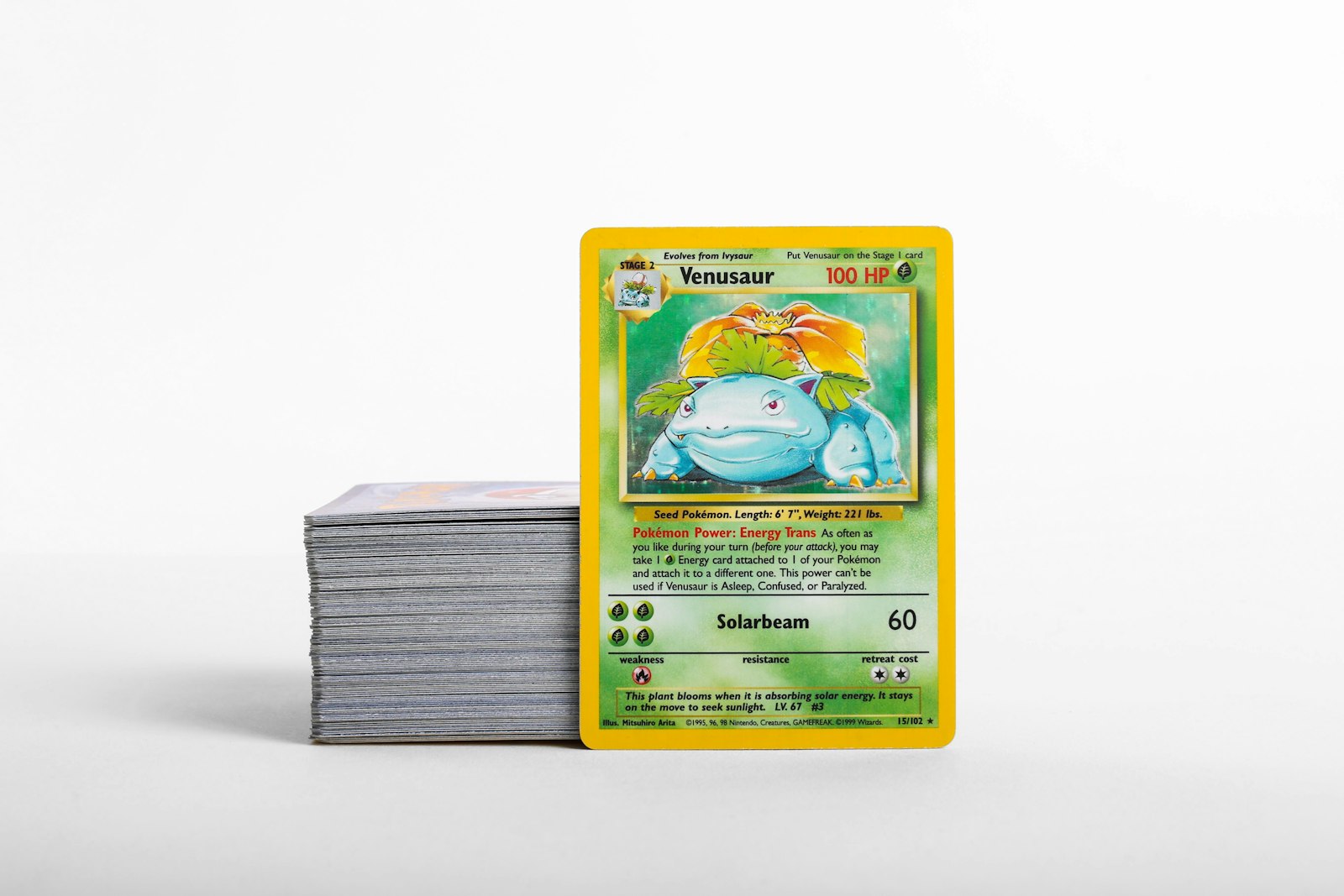
Understanding Edge and Surface Vulnerabilities in Raw Pokemon Cards
When collectors pull fresh raw Pokemon singles or acquire vintage cards, applying a single blanket protection strategy often fails to protect high-vulnerability cards while over-spending on low-tier bulk. A paper-thin common card does not require the same rigid architecture as a textured modern Illustration Rare or a vintage holofoil card with delicate surface coatings.
Assigning protection tiers based on specific physical vulnerabilities—such as edge whitening, foil lifting, surface gloss scratches, and corner compression—ensures that your collection remains preserved for the long term while minimizing your physical storage footprint and supply costs. Matching card condition and structural risk directly to storage gear eliminates preventable handling damage.
Step 1: Performing a Fast Physical Wear Inspection
Before picking up a sleeve or binder page, inspect the card under clean, direct light. Look for four key structural vulnerabilities:
- Surface Gloss and Texture: High-gloss foil coatings on modern Full Art and Illustration Rare cards attract micro-abrasions if friction occurs inside oversized sleeves.
- Edge Fibers and Whitening: Raw cardboard edges with minor paper separation or exposed white fibers easily snag on rigid sleeve lips or binder pocket seams.
- Corner Structure: Sharp corners can fold or soft-dent during aggressive insertion into overly tight sleeves.
- Planar Warping: Foil cards frequently warp due to ambient moisture shifts. Sleeving a severely curled card without flat structural backing can increase surface tension and lead to permanent creases.
Tier 1: Soft Sleeves and Storage Boxes for High-Volume Bulk
Low-value commons, uncommons, and non-holo rares form the highest volume of most card collections. Placing every bulk card into rigid holders is neither practical nor space-efficient.
Recommended Setup
Standard archival-safe polypropylene soft sleeves (penny sleeves) paired with acid-free cardboard storage bins with rigid internal dividers.
Application Routine
Place raw bulk cards inside soft sleeves if they feature subtle holo accents or reverse holo finishes. Standard commons can be stored un-sleeved in tight, upright rows within cardboard storage boxes using rigid dividers to prevent sliding.
Risk Avoidance
Never over-pack storage boxes. Excessive horizontal pressure causes corner compression along the edges of the box walls, while overly loose rows allow cards to slant and warp under their own weight.
Tier 2: Precision Sleeving and Side-Loading Binders for Mid-Tier Hits
Cards that carry moderate collection interest, playable trainer staples, or display appeal belong in binder systems designed to prevent dust intake and physical contact wear.
Recommended Setup
Acid-free side-loading binder pages combined with standard clarity penny sleeves or premium matte outer sleeves.
Application Routine
Slide the card into a clear penny sleeve, then insert it horizontally into a side-loading page. This creates a dual-layer barrier against airborne dust and accidental pocket spills.
Risk Avoidance
Avoid ringed binders where metal O-rings or D-rings compress cards on the inner column when pages flip. Integrated ringless binders with zipper enclosures offer far superior protection against edge pinching.
When sorting your binders, running a quick scan with a dedicated Pokemon card scanner helps you verify set numbers and track card variants before placing them behind binder film.
Tier 3: Toploaders and Semi-Rigids for Sensitive Holos and Vintage Singles
For high-value singles, fragile vintage cards, and textured modern chase hits, rigid multi-layer protection is essential to prevent bending and impact damage.
Recommended Setup
Standard clear penny sleeve combined with a 3" x 4" rigid plastic toploader or a semi-rigid grading sleeve.
Application Routine
Always sleeve the card in a loose penny sleeve before inserting it into a rigid toploader. Inserting an unsleeved card directly into hard PVC plastic creates severe surface drag, permanently scratching the holo finish.
Risk Avoidance
Ensure the top opening of the toploader is clean and dust-free. If storing toploaders long-term, place them in dedicated toploader storage boxes or zipper binders built specifically for rigid loaders.
Before organizing your top-tier singles into rigid cases, cataloging your hits into a digital Pokemon collection app allows you to keep accurate physical storage locations mapped directly to your phone inventory.
Avoiding Humidity and Pressure Damage Across Storage Formats
Even the highest tier of physical protective gear cannot save cardboard from environmental decay if ambient storage conditions are neglected.
- Moisture Control: Cards absorb ambient humidity, causing paper fibers to expand and foil layers to curve. Keep humidity levels between 40% and 50% in your storage area, and place desiccant packets inside sealed storage bins.
- Thermal Expansion: Avoid storing card boxes or binders in attics, basements, or near direct heat sources. Heat degrades plastic sleeves over time, causing them to cling tightly to card surfaces.
- Stacking Hazards: Never stack binders flat on top of one another. The weight crushes bottom pages, causing ring impressions and surface indentation across foil faces. Always store binders upright on shelves like books.
Syncing Physical Protection Tiers with Your Mobile Inventory System
A physical protection system works best when paired with an organized digital catalog. Instead of pulling raw cards out of sleeves or opening rigid toploaders every time you want to verify card details, log them digitally during your intake routine.
Checking your cards with a reliable Pokemon card price checker allows you to spot market movements and upgrade your protection setup whenever raw cards move into higher value tiers.
By establishing clear criteria for when a card transitions from a soft sleeve bulk box to a side-loading binder page or a rigid toploader, you eliminate guessing games and keep your entire collection safe from handling wear.
Streamline Your Collection Setup with PokeSnap
Managing card condition and storage tiers becomes far easier when your inventory is digitized. PokeSnap makes it simple to scan, catalog, and track your entire Pokemon card collection in seconds.
By identifying set versions, foil variants, and set numbers instantly from a single image, PokeSnap helps you assign the right physical protection to every card in your binder or box. Download PokeSnap today on iOS or Android to simplify your storage workflow and keep your collection organized.