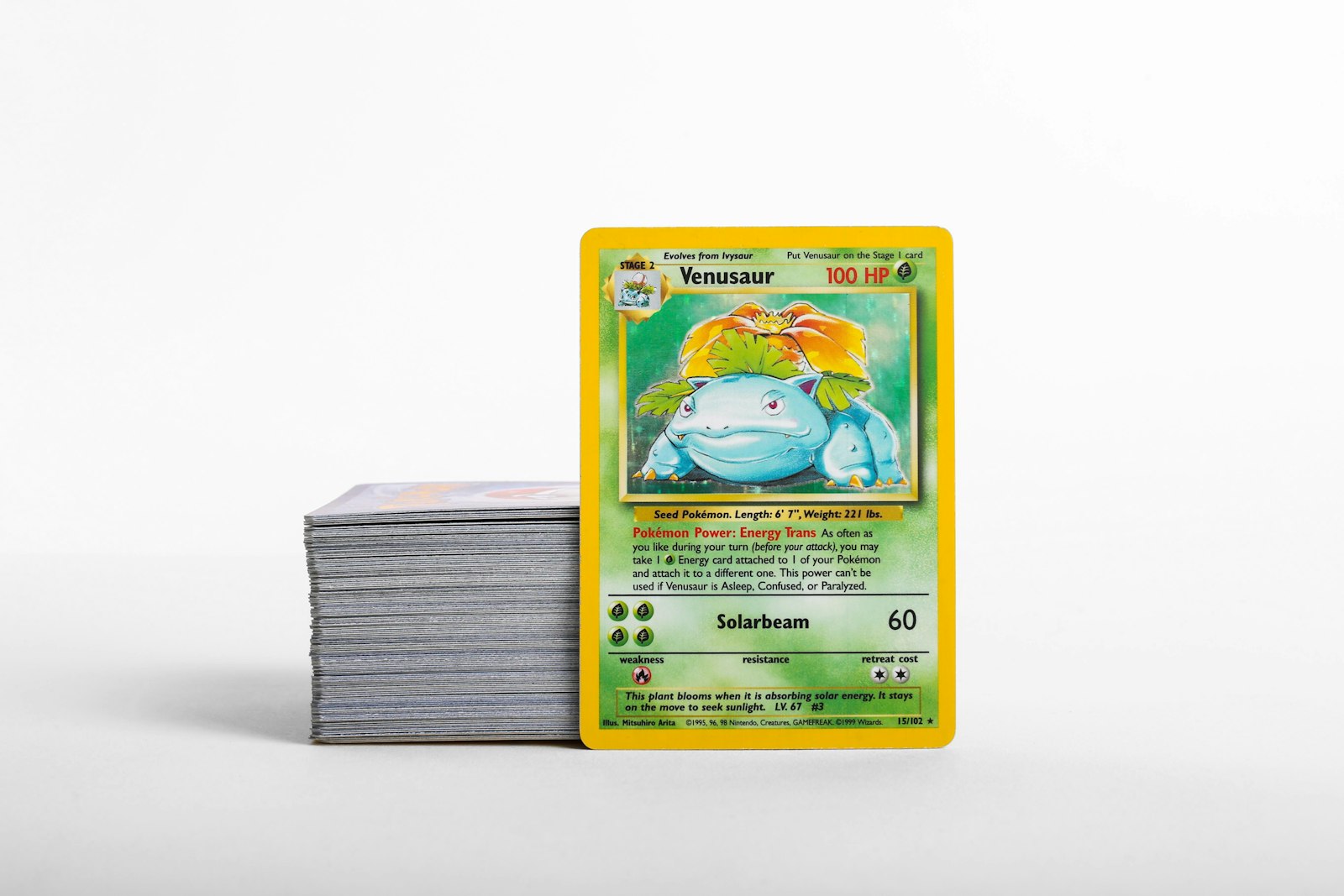
Every collector faces the same dilemma: a growing pile of raw cards and a limited budget for protection gear. It is easy to fall into the trap of over-protecting every single pull. Putting a fifty-cent holographic card into a premium magnetic case is a quick way to drain your hobby budget. Conversely, leaving a rare vintage card loose in a cardboard box risks devastating condition decay.
To build a sustainable collection, you must learn how to allocate your protection budget logically. By matching a card's physical condition and market tier to the appropriate level of storage, you ensure your best cards stay pristine while your bulk remains organized and affordable to house.
Here is a practical framework to help you decide when to sleeve, when to binder, and when to case your Pokemon cards.
1. The Core Protection Formula: Rarity, Condition, and Cost
Before buying bulk packs of top loaders or premium zipper binders, you need to establish a baseline for your cards. The physical protection you choose should be directly proportional to the card's vulnerability and its place in your collection.
When evaluating a card, consider these three factors:
- Condition Vulnerability: Foil cards (holographics, ultra rares, and secret rares) are prone to curling due to humidity. Non-foil cards are more resilient but still susceptible to edge wear and corner dings.
- Handling Frequency: Will this card sit in deep storage, or will you look at it weekly? Binders offer high visibility, while top loaders offer maximum physical defense during handling.
- Value Tier: While you should never guess at future grading outcomes, you can easily check a card's current raw market baseline. Using a reliable pokemon card scanner allows you to instantly identify the exact printing and version of your card, giving you the context you need to choose its storage tier.
2. Budget Allocation Tier 1: Bulk and Low-Value Holos (The Box Tier)
Bulk cards—including common, uncommon, non-foil rare cards, and basic energy cards—make up the vast majority of most collections. These cards do not require individual sleeves or structured binders.
For this tier, your goal is low-cost, space-efficient organization:
- The Gear: Acid-free, archival-safe cardboard storage boxes (such as 800-count or 3,200-count monster boxes) are the industry standard.
- The Strategy: Store bulk cards upright and snug, but not tightly packed. Use plastic dividers to separate sets or types.
- Low-Value Holos: For reverse holographics or regular holo rares worth under a dollar, a simple penny sleeve before placing them into a storage box is sufficient. This protects the delicate foil surface from scratching against neighboring cards without adding significant cost.
By keeping your bulk protection costs near zero, you free up funds for the cards that truly need premium housing.
3. Budget Allocation Tier 2: Binder Cards (The Mid-Value and Set Filler Tier)
Mid-value cards, favorite art pieces, and complete set runs belong in binders. Binders strike the perfect balance between protection and accessibility, allowing you to enjoy your collection without risking surface oil damage from bare hands.
To keep binder cards safe without overspending, follow these guidelines:
- The Sleeve: Always sleeve a card before putting it into a binder page. A standard penny sleeve or a snug-fitting "perfect fit" sleeve prevents the card from sliding around inside the pocket.
- The Binder: Avoid traditional three-ring binders. The metal rings can easily pinch and crease the inner column of cards (often called "ring damage"). Instead, invest in strap-closed or zippered binders with built-in, side-loading pages.
- The Budget Breakdown: A high-quality 360-pocket zippered binder costs roughly $20 to $30. When fully loaded, this translates to less than ten cents of protection cost per card slot. This is the sweet spot for cards valued between $2 and $15.
To keep your binders organized as you fill them, log your cards into a digital pokemon collection app. This ensures you know exactly which binder holds which card without having to pull them off the shelf and flip through the pages manually.
4. Budget Allocation Tier 3: High-Value Raw Cards (The Rigid Tier)
When a card's value or personal significance crosses a certain threshold, it deserves individual, rigid protection. This tier is reserved for your top hits, rare illustration cards, and vintage holos.
For these cards, the standard protection stack includes:
- Inner Sleeve: A clean penny sleeve. Avoid tight perfect-fit sleeves for highly valuable, fragile vintage cards, as the tight margins can occasionally cause edge chipping during insertion.
- Rigid Outer Shell: A plastic top loader or a semi-rigid card holder. The top loader prevents bending and impact damage.
- Dust Protection: Place the loaded top loader inside a fitted team bag (a clear, resealable plastic sleeve designed to hold top loaders). This keeps dust, pet darnish, and moisture from entering the open top of the holder.
Before committing a card to this premium stack, run it through a pokemon card price checker to verify its raw market standing. If the cost of the sleeve, top loader, and team bag exceeds 5% of the card's value, consider whether it might be better suited for a binder slot instead.
5. Calculating Your Protection-to-Value Ratio
To keep your hobby spending realistic, use a simple protection-to-value ratio. As a general rule, your physical protection costs should hover between 2% and 5% of the card's raw value.
Here is a quick reference table to help you allocate your budget:
| Card Value Range | Recommended Protection Setup | Estimated Cost Per Card | Protection-to-Value Ratio | | :--- | :--- | :--- | :--- | | Under $1.00 (Bulk) | Cardboard box (unsleeved) or penny sleeve | < $0.01 | < 1% | | $1.00 - $5.00 | Penny sleeve + side-loading binder page | $0.08 - $0.12 | 2% - 10% | | $5.00 - $50.00 | Perfect fit sleeve + premium zipper binder | $0.15 - $0.20 | < 4% | | $50.00+ (High-Value) | Penny sleeve + rigid top loader + team bag | $0.25 - $0.35 | < 1% |
By staying within these margins, you avoid "over-protecting" common cards, ensuring you always have budget left over to buy the actual cards you want to add to your collection.
6. Scanning and Managing Your Protected Inventory
Once your cards are filed away in binders, boxes, and top loaders, keeping track of them can become a challenge. Pulling cards out of their protective sleeves just to verify their set number or check their current value increases the risk of accidental fingernail scrapes, corner dings, or surface oil contamination.
To prevent this handling wear, digitize your collection early. You can easily find more tips on organizing your physical space on the PokeSnap blog, but the most important step is creating a digital twin of your inventory. A clean scan allows you to view, sort, and price check your cards virtually, leaving the physical copies safely nestled in their protective layers.
Keep Your Cards Safe and Organized with PokeSnap
Protecting your cards physically is only half the battle; keeping track of their condition and value is the other. With PokeSnap, you can instantly scan your raw cards, identify their exact set printings, and monitor your collection's value over time.
Stop guessing which cards deserve your premium top loaders. Download PokeSnap today on iOS or Android to scan, organize, and protect your collection like a seasoned professional.